Fixing Patellar Tendinopathy (Jumper’s Knee) Through Strength and Rehab
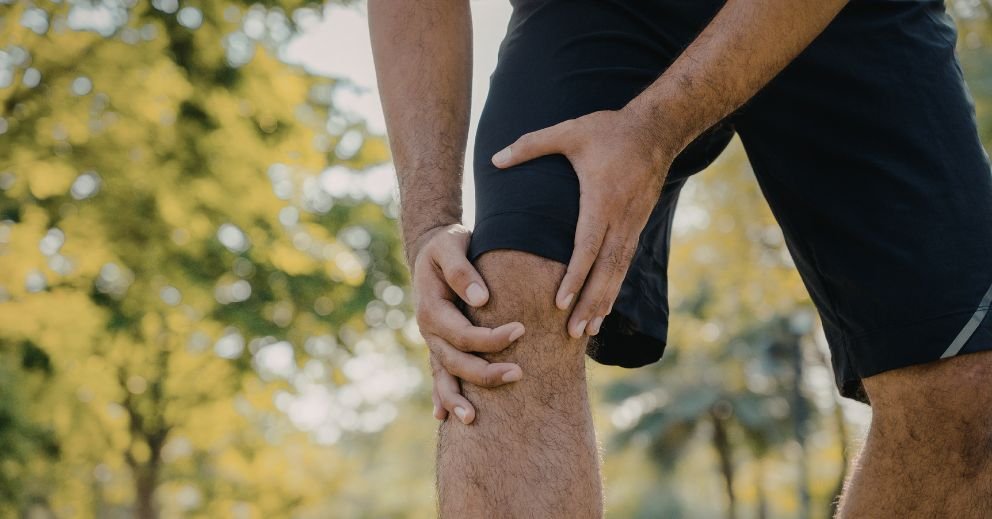
Patellar tendinopathy, often called jumper’s knee, is that stubborn pain right below the kneecap that flares up with squats, stairs, running, jumping, and sometimes even sitting for too long. It’s common in athletes, gym-goers, tradies, and anyone doing lots of knee-dominant work.
The frustrating part is it rarely improves with rest alone. The tendon usually needs the right kind of loading, progressed at the right pace.
Summary: Patellar tendinopathy is usually a load tolerance problem, not a “damage” problem you need to completely rest away. The most reliable fix is a structured rehab plan that starts with pain-calming strength, then builds capacity with slow heavy loading, then reintroduces speed and jumping gradually. With smart progressions, most people can get back to training, sport, and daily life without that sharp, grabby tendon pain.
What patellar tendinopathy actually is (in plain language)
Your patellar tendon connects your kneecap (patella) to your shin bone. It helps transfer force when you straighten your knee, especially in squats, stairs, sprinting and jumping.
Patellar tendinopathy happens when the tendon is asked to handle more load than it can tolerate, too often, for too long. The tendon becomes sensitive and painful, particularly under compression and high force.
A key point that helps people recover faster: pain does not always equal damage. A sore tendon is often a tendon that needs a better loading plan.
Why it keeps hanging around
A few common reasons jumper’s knee becomes persistent:
Training loads jump up too quickly (new program, more running, more sport, more leg days)
Lots of deep knee bending under load (heavy squats, leg extensions, volleyball, basketball)
Poor recovery between sessions
Weakness or reduced control through quads, glutes, calves, and trunk
A tendon that never gets progressively reloaded after flare-ups (rest, feel better, repeat)
The rehab approach that works best: progressive loading
Think of rehab in stages. You earn the next stage by building tolerance, not by waiting for pain to magically disappear.
A simple pain rule that keeps you progressing
During rehab, it’s normal to feel some discomfort. What you want to avoid is turning every session into a flare-up.
A useful guide is:
Pain during exercise stays around 0 to 3 out of 10, sometimes up to 4 out of 10 if it settles quickly
Pain is not worse the next morning
Function is improving week to week (stairs, squats, training tolerance)
If you’re worse for 24 to 48 hours after, the load was too much.
Stage 1: calm pain and keep strength (isometrics)
When the tendon is irritable, heavy slow reps can feel too spicy. Isometrics are a great first step because they load the tendon without movement.
Try these 3 to 5 times per week (or before training):
Wall sit or Spanish squat hold: 4 to 5 sets of 30 to 45 seconds
Aim for a hard effort, but still controlled breathing
Rest 1 to 2 minutes between sets
If you don’t know the Spanish squat set-up, a physio can show you safely and adjust it to your pain level.
Stage 2: rebuild capacity with slow heavy strength
This is where most long-term improvement happens. Slow, heavy strength work improves the tendon’s ability to handle load and helps the quads do their job properly again.
Good exercise options (pick 2 to 3):
Squat variation (box squat, goblet squat, hack squat, Smith squat)
Leg press
Step-ups (controlled, not bouncy)
Split squats
Heavy slow decline squat (if appropriate for you)
How to do it:
3 to 4 sets of 6 to 10 reps
Slow tempo (about 3 seconds down, brief pause, 3 seconds up)
2 to 3 sessions per week
Increase load gradually when pain response stays settled
You don’t need every exercise. You need the right ones for your body, your sport, and what your knee tolerates.
Stage 3: reintroduce energy and spring (plyometrics and running)
A tendon needs to tolerate fast loading again if your goal is sport, running, or jumping. But this stage is where people rush and flare up.
You build back impact like you’d build back strength: gradually.
Examples of progressions:
Skipping in small doses
Low pogo hops
Small box step-off and stick landings
Controlled jump squats (later)
Short running intervals (walk-run)
The goal is to reintroduce speed without reintroducing chaos.
What to avoid (because it usually slows recovery)
These are common traps:
Complete rest for weeks, then jumping straight back into full training
Daily deep knee bending to fatigue when the tendon is already irritable
Random stretching of the tendon area that increases compression and pain
Training through sharp pain because “it’ll warm up”
Changing five things at once so you can’t tell what flared it
How long does it take to fix a jumper's knee?
There’s no single timeline, but a realistic rule of thumb is:
Small improvements in 2 to 4 weeks
Solid strength and tolerance changes in 6 to 12 weeks
Full return to high-impact sport can take longer depending on severity, consistency, and load management
If you’ve had symptoms for months, expect a longer runway. The good news is consistent rehab usually pays off.
Ready to fix it properly?
At Elite Health and Performance, we’re a cutting edge multi-disciplinary clinic in Bowen Hills servicing all of Brisbane, specialising in musculoskeletal treatment and rehabilitation. If jumper’s knee is stopping you from training, running, or playing sport, we’ll help you build a clear rehab plan with the right strength progressions and a practical return-to-performance pathway.
Book an appointment today and get moving confidently again.
Key takeaways
Patellar tendinopathy is usually a load tolerance issue, not something that resolves with rest alone
Start with pain-calming strength, then progress to slow heavy loading
Add jumping and running only when the tendon is ready
Use a sensible pain response guide to avoid flare-ups
A tailored plan beats guessing, especially if you want to return to sport
FAQ:
Should I completely stop training if I have patellar tendinopathy?
In most cases, no. Complete rest often settles symptoms temporarily, but it doesn’t improve the tendon’s capacity to handle load. The goal isn’t to avoid using your knee, it’s to load it in a way that it can tolerate and gradually build from there. That usually means modifying training, not stopping altogether. You might reduce depth, volume, or intensity while you rebuild strength, rather than pulling the pin entirely.
Do knee straps or taping help jumper’s knee?
They can reduce pain for some people, especially during sport or training. Straps and taping may change how force is distributed through the tendon, which can make activity more comfortable. That said, they’re a short-term support tool, not a long-term fix. Strength and progressive loading are what create lasting improvement.
Will stretching fix patellar tendinopathy?
Stretching alone won’t fix it. In some cases, aggressive quad stretching can actually irritate the tendon more because it increases compression at the front of the knee. Gentle mobility work for the quads, calves and hips can be helpful, but it should support a structured strengthening plan, not replace it.
Can I still run or play sport during rehab?
Sometimes, yes, but it depends on your current pain levels and strength base. If symptoms are mild and well controlled, you may be able to continue modified sport while building strength. If the tendon is highly irritable, you might need a short period of reduced impact while focusing on stage one and two strength work. The aim is a gradual return, not an all-or-nothing approach.