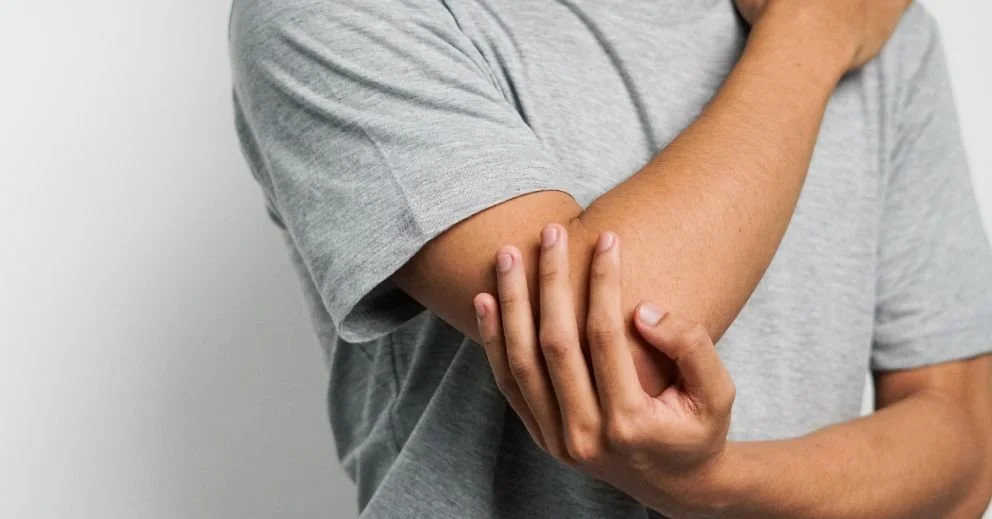
Tennis elbow, or lateral epicondylitis, is a common overuse injury that affects the outer part of the elbow and forearm. Despite its name, you don’t need to be a tennis player to develop it. In fact, many people experience tennis elbow from everyday activities that involve repetitive arm and wrist movements.
In this blog, we’ll break down what tennis elbow is, the common causes and symptoms, and how physiotherapy offers proven techniques to relieve pain and promote recovery.
Summary: Tennis elbow is a painful condition caused by repetitive strain to the tendons in the outer elbow. It’s common in people who engage in repetitive arm or wrist movements, whether in sport, work, or daily life. Physiotherapy offers several evidence-based treatments to reduce pain, restore function, and prevent flare-ups—without relying on medications or invasive procedures.
What Is Tennis Elbow?
Tennis elbow is a form of tendinopathy that affects the extensor tendons on the outer side of the elbow. These tendons attach the forearm muscles to the lateral epicondyle, a bony bump on the outside of the elbow. Overuse or strain can cause tiny tears in the tendon, leading to pain and inflammation.
Causes of Tennis Elbow
You can develop tennis elbow from:
Repetitive gripping or lifting motions
Prolonged use of hand tools (e.g., screwdrivers, scissors, gardening shears)
Typing or using a computer mouse for long hours
Racquet sports (tennis, squash)
Weightlifting or manual labour
It often affects people aged 35–55 but can occur at any age depending on activity level and occupation.
Common Symptoms of Tennis Elbow
Pain or burning on the outer part of the elbow
Weak grip strength
Pain that worsens with wrist extension or lifting
Discomfort when twisting motions are used (e.g., opening jars or turning a doorknob)
Stiffness or tenderness around the elbow
If left untreated, the pain can become persistent and impact daily activities.
How Physiotherapy Can Help Tennis Elbow
Physiotherapy plays a central role in effectively treating tennis elbow without the need for injections or surgery. Here are some of the most effective techniques used by physiotherapists:
1. Manual Therapy
Hands-on techniques like soft tissue massage and joint mobilisation can:
Reduce muscle tightness
Improve blood flow
Relieve pain and promote tissue healing
2. Exercise Therapy
A personalised strengthening and stretching program is key. Your physiotherapist will focus on:
Isometric exercises to reduce pain without overloading the tendon
Eccentric loading exercises to rebuild tendon strength
Wrist and forearm stretches to restore flexibility
3. Dry Needling or Trigger Point Therapy
Targeted dry needling can reduce muscle tightness and improve local blood flow, often helping relieve pain and improve function.
4. Ultrasound or Shockwave Therapy
These modalities may be used to:
Stimulate healing in chronic cases
Break down scar tissue or calcifications
Reduce pain and inflammation
5. Activity Modification and Ergonomic Advice
Your physiotherapist may recommend changes to how you:
Lift objects at work or home
Use tools or your computer
Perform tasks that previously caused discomfort
How Long Does Recovery Take?
With early intervention, many cases improve within 6–12 weeks. Chronic or long-standing cases may take several months. Consistency with treatment and home exercises is crucial for full recovery.
Preventing Tennis Elbow Flare-Ups
Once symptoms have settled, your physiotherapist will help you build resilience and prevent recurrences by:
Continuing strength exercises
Improving posture and movement habits
Identifying and correcting risky patterns in daily life or sport
Need Help With Elbow Pain?
If tennis elbow is holding you back, don’t push through the pain. At Elite Health & Performance, our experienced team uses proven physiotherapy techniques to help you recover faster and move better, so you can get back to doing what you love.
Call us or book online to start your recovery with top-tier care.
When to See a Physiotherapist
You should seek help if:
Your elbow pain persists longer than a few weeks
Pain is affecting your ability to work, train, or sleep
You’re noticing reduced grip strength or mobility
Key Takeaways
Tennis elbow is caused by repetitive strain to tendons in the outer elbow.
It’s not just a sports injury—it often affects people with repetitive work or daily tasks.
Physiotherapy offers safe, non-invasive treatment through manual therapy, exercise, and education.
Early treatment leads to better outcomes, and a tailored rehab plan is essential for recovery and prevention.
FAQ:
Q: Can I treat tennis elbow at home?
A: You can try rest, ice, and over-the-counter anti-inflammatories. However, without proper rehab and strengthening, symptoms often return. Physiotherapy is key for long-term recovery.
Q: Is massage good for tennis elbow?
A: Yes, targeted soft tissue massage can help reduce pain and muscle tension around the elbow and forearm.
Q: Will I need surgery?
A: Most people recover well with physiotherapy and do not need surgery. Only very persistent or severe cases may require further medical intervention.
Q: Can tennis elbow go away on its own?
A: Mild cases may improve with rest, but many need active treatment to resolve completely and prevent recurrence.