Physiotherapy for Runner’s Knee: Relieving Pain and Improving Mobility
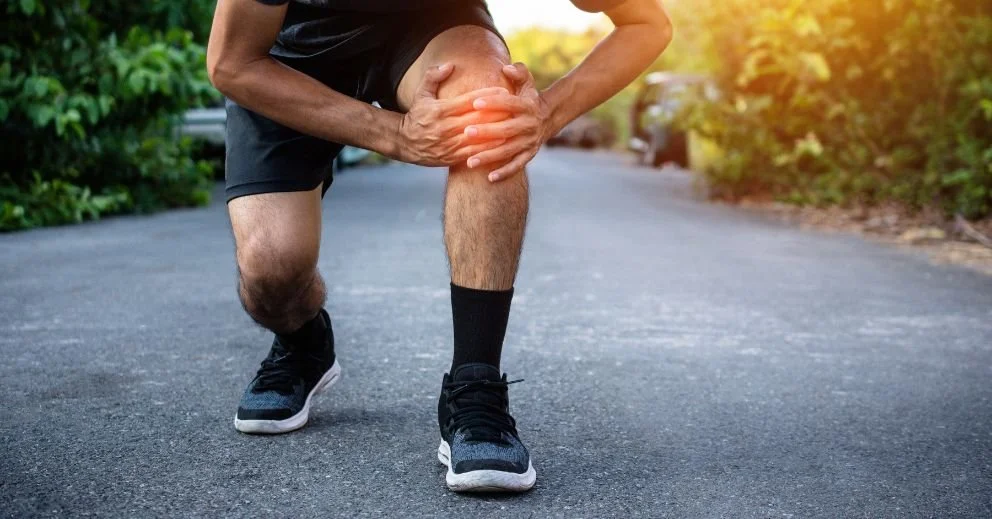
Runner’s knee is a common issue for runners and active individuals, but it can affect anyone who regularly loads their knees through walking, cycling, gym training, or sport. The pain often starts gradually, usually around or behind the kneecap, and can worsen with activity, stairs, or prolonged sitting. Without proper management, it can limit training, daily movement, and confidence in your body.
At Elite Health and Performance, physiotherapy plays a key role in treating runner’s knee by addressing pain, movement restrictions, and the underlying causes that place excess stress on the knee.
Summary: Physiotherapy helps relieve runner’s knee pain while improving strength, mobility, and movement control. Rather than focusing only on the knee itself, treatment targets contributing factors such as muscle weakness, joint stiffness, and poor load management. With the right approach, physiotherapy can support recovery and help reduce the risk of the pain returning.
What is runner’s knee?
Runner’s knee, often referred to as patellofemoral pain, is pain that occurs around or behind the kneecap. It is usually linked to how forces move through the knee during activity rather than a single injury.
Common triggers include running, squatting, lunging, climbing stairs, or sitting with bent knees for long periods. Pain may feel dull, aching, or sharp, and often worsens with increased activity.
Why runner’s knee develops
Runner’s knee rarely has one single cause. It is usually the result of multiple factors placing extra stress on the knee joint.
These may include:
Weakness in the hips or thighs
Poor control of knee movement during running or exercise
Reduced ankle or hip mobility
Sudden increases in training load or intensity
Poor recovery between sessions
Understanding these contributing factors is essential for effective treatment.
How physiotherapy helps relieve runner’s knee pain
Physiotherapy focuses on reducing pain while restoring efficient movement. Treatment is tailored to the individual rather than using a one-size-fits-all approach.
Physiotherapy for runner’s knee may include:
Hands-on treatment to reduce pain and stiffness
Targeted strengthening exercises for hips, thighs, and calves
Mobility work to improve joint and muscle flexibility
Movement retraining to improve running or exercise technique
Load management strategies to guide safe return to activity
This approach helps the knee tolerate load more effectively rather than simply resting and hoping the pain resolves.
Improving mobility and movement control
Restricted movement in areas such as the hips or ankles can shift excess load to the knee. Physiotherapy addresses these limitations to improve how forces are distributed through the lower body.
Improving mobility and control can make everyday movements and running feel smoother and less painful, while also reducing strain on the kneecap.
Preventing runner’s knee from coming back
One of the biggest benefits of physiotherapy is reducing the risk of recurrence. Runner’s knee often returns if the underlying causes are not addressed.
Ongoing strategies may include:
Gradual progression of running or training volume
Strength maintenance exercises
Education around recovery and load management
Technique adjustments where needed
These strategies support long-term knee health rather than short-term pain relief.
When to seek physiotherapy for runner’s knee
If knee pain is persisting, worsening, or interfering with training or daily activities, early physiotherapy assessment is recommended. Addressing the issue sooner often leads to faster and more complete recovery.
Ignoring pain or pushing through symptoms can prolong recovery and increase the risk of compensatory injuries elsewhere.
Targeted Support for Knee Pain and Movement Recovery
If knee pain is holding back your training or everyday movement, the right professional support can make a real difference. Elite Health and Performance provides expert physiotherapy and rehabilitation services in Bowen Hills, helping active individuals across Brisbane restore movement and rebuild confidence.
To book an appointment or learn more, get in touch with the team and take the next step towards pain-free movement.
Key takeaways
Runner’s knee is common and usually linked to movement and load issues
Physiotherapy treats the cause, not just the symptoms
Strength, mobility, and movement control are key to recovery
Early treatment can reduce recovery time
Ongoing strategies help prevent recurrence
FAQs
Should I stop running completely if I have runner’s knee?
Not always. Many people can continue modified training with guidance, focusing on reduced load while addressing underlying issues.
How long does recovery usually take?
Recovery time varies depending on severity, contributing factors, and consistency with treatment. Many people notice improvement within weeks.
Can runner’s knee come back?
Yes, if the underlying causes are not addressed. Physiotherapy aims to reduce this risk through targeted treatment and education.