

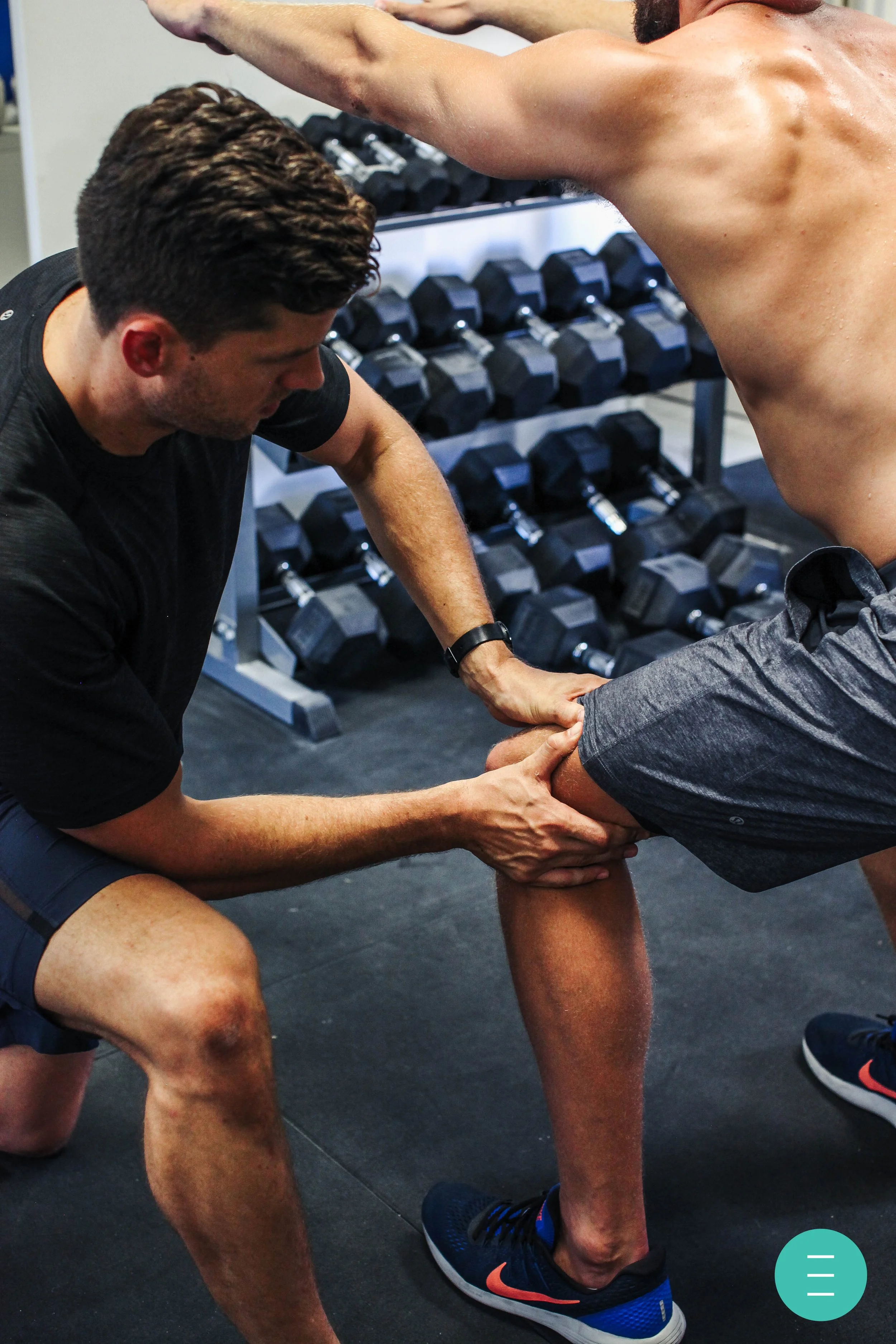

PHYSIO FOR CALF PAIN
Struggling with calf tightness, strain, or ongoing lower leg pain? Our team provides targeted physio for calf pain to help you move freely and confidently again. Book today!

LET’S FIX YOUR CALF PAIN.
Whether it’s a sudden strain, persistent tightness, or pain that keeps returning during walking or running, calf pain can quickly disrupt your routine and limit your performance.
The good news is, we can help. At Elite HP, we’ve worked with a wide range of calf conditions, from acute muscle strains to long-standing overload issues and Achilles-related pain.
We provide personalised physiotherapy to identify the root cause of your symptoms and build a treatment plan that restores strength, improves movement, and reduces pain long-term.
If you’re ready to move without discomfort and get back to doing what you enjoy, book an appointment today. We’re here to help..
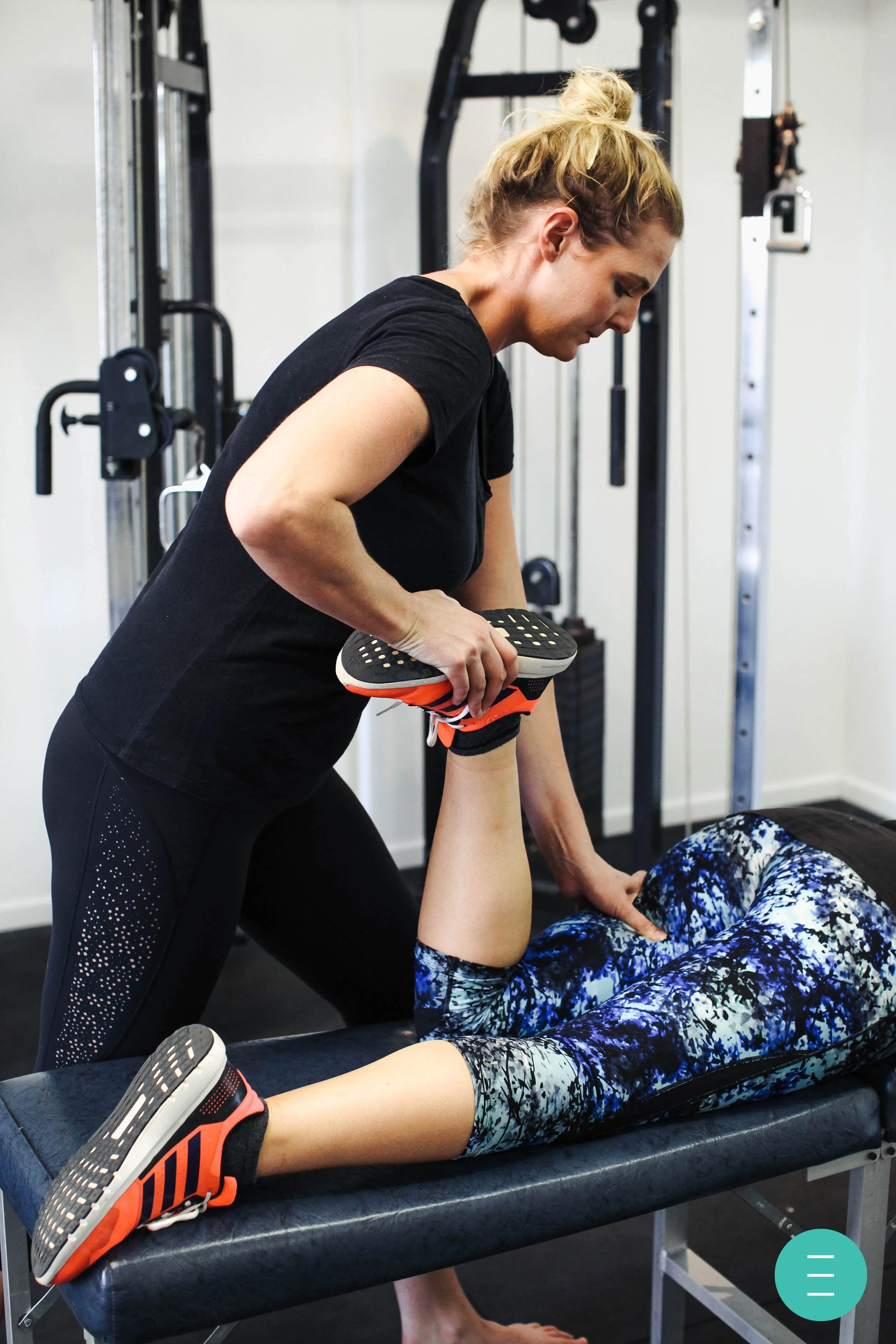
WHAT CAUSES CALF PAIN?
Calf pain is common and can develop suddenly or gradually, depending on how the muscle is being loaded. Most cases are related to the calf muscles themselves, particularly the gastrocnemius or soleus.
-
Symptoms of calf pain may include:
Tightness or stiffness in the lower leg
Pain when walking, running, or pushing off
Tenderness when pressing into the muscle
Reduced strength or endurance in the calf
-
Calf pain can come from a couple of different structures. The most common issue we see in clinic is muscle-related, particularly involving the gastrocnemius (superficial calf muscle) or soleus (deep calf muscle), often presenting as calf muscle pain or general muscle pain.
This might be a strain from a sudden push-off or running up hills, an overload from increased training, or fatigue-related tightness and muscle soreness.
Other structures include:
Achilles tendinopathy – the tendon connecting both muscles to your foot (sometimes referred to as achilles tendinitis)
Referred pain from the lower back – sciatic nerve referral can cause pain into the lower leg region
Circulatory issues, which are less common but more serious (and will be addressed later in this post)
At Elite, we don’t just look at the calf itself; we assess load patterns, strength, ankle range of motion, and running or walking biomechanics. Usually calf pain isn’t directly linked to just one thing, and is more about how load is being distributed through the leg.
-
We treat a wide range of calf-related issues, from acute injuries to persistent pain that hasn’t resolved with rest. Common conditions we help with include:
Calf muscle strains – Sudden or gradual muscle injuries during activity
Achilles tendinopathy – Pain and stiffness where the calf meets the heel
Chronic calf tightness – Recurring tightness linked to overload or poor recovery
Lower leg overload – Pain caused by poor load distribution or movement patterns
Referred lower leg pain – Symptoms originating from the spine or surrounding structures
Whether your pain started recently or has been ongoing for months, our team can guide you through a structured recovery plan.

Your recovery is our priority
At Elite HP, we’ve helped thousands of locals, from active individuals to everyday professionals, overcome calf pain and return to their normal activities with confidence.
Our team brings extensive clinical experience, working across sports rehab, musculoskeletal care, and performance settings. Whether your symptoms appeared suddenly or have built up over time, we know how to address them effectively.
We’re confident in the care we provide and focus on delivering high-quality, personalised treatment from your very first session.
If calf pain is holding you back, don’t wait. Book your appointment today and take the first step toward lasting recovery.
HOW DO WE TREAT
CALF PAIN?
Physio for calf pain starts with a detailed assessment to understand what’s driving your symptoms. From there, we create a personalised treatment plan focused on reducing pain, restoring strength, and improving how your body handles load. Common treatments include:
-

Active Release Technique
Active Release Technique (ART) is a hands-on approach used to treat tight or overworked calf muscles. By applying tension combined with movement, we help improve tissue flexibility, reduce discomfort, and restore muscle function.
-
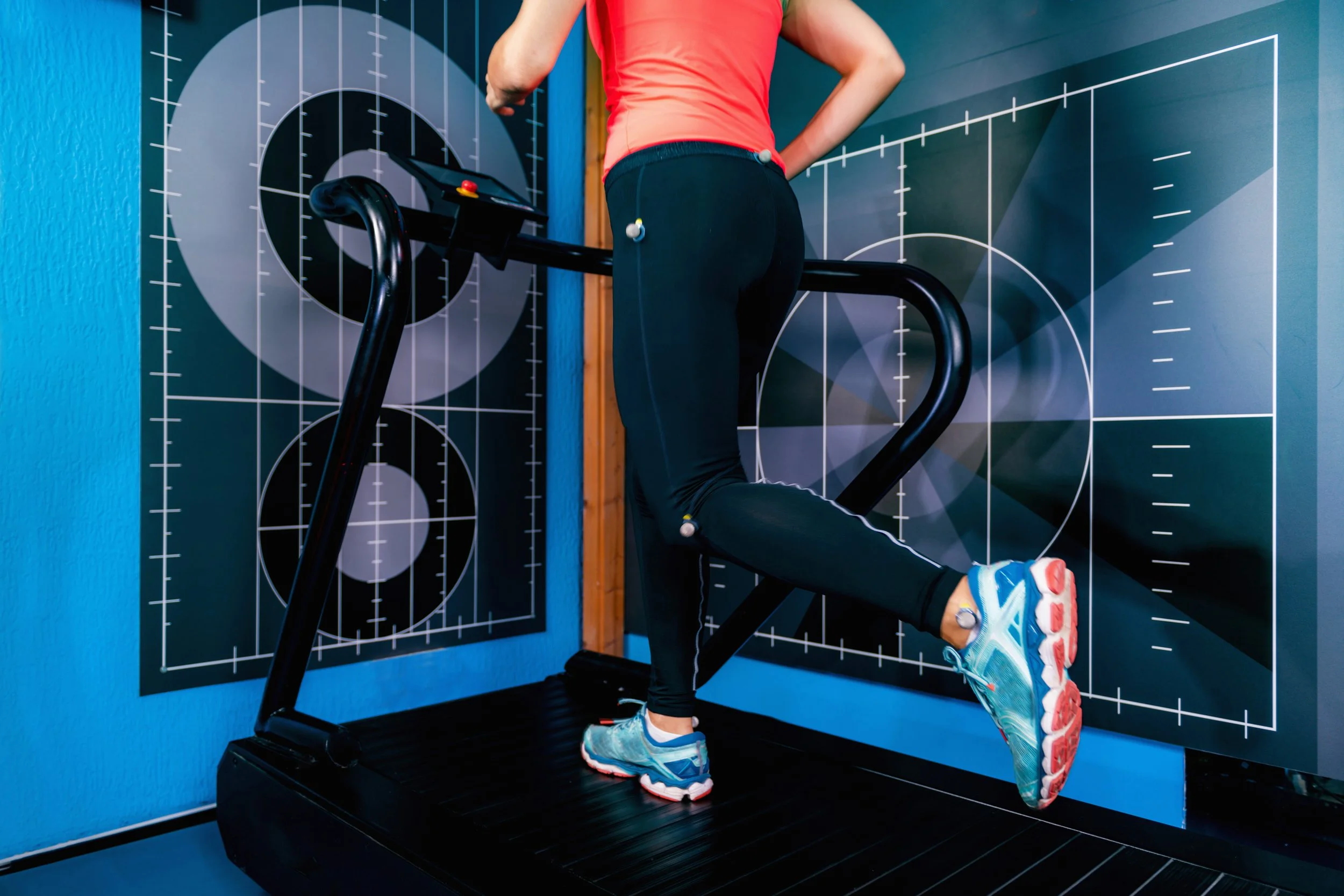
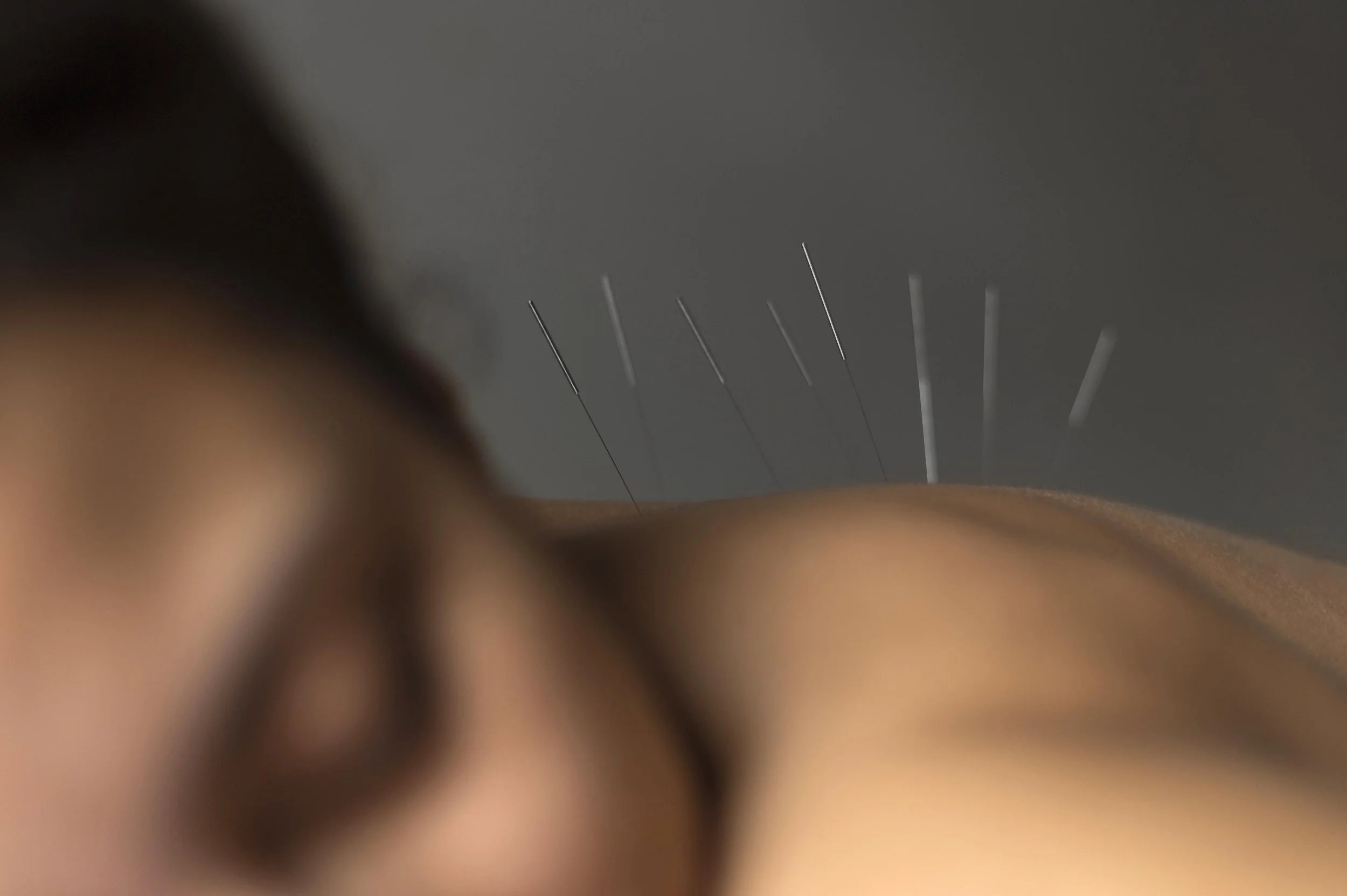
Dry Needling
Dry needling targets trigger points within the calf to reduce muscle tightness and improve circulation. This can help relieve pain, decrease muscle tension, and support faster recovery when used alongside exercise-based rehab.
-

Exercise Therapy
As symptoms settle, we guide you through progressive strengthening exercises designed to rebuild calf capacity. This includes controlled calf raises, endurance training, and functional movements tailored to your activity level.
-

Load & Movement Training
We assess how your body distributes load during walking, running, or sport. By improving movement patterns and addressing contributing factors such as ankle mobility and muscle imbalances, we help prevent recurrence.

Ready to feel
Your best?
What makes Elite HP different?
-

Focused on real performance gains.
We focus on identifying and fixing the underlying cause of your calf pain, not just managing symptoms or keeping you in ongoing treatment.
-

Clear feedback you can actually use.
While many clinics spend multiple sessions assessing, we begin treatment early so you can start noticing improvements straight away.
-
Everything you need in one place.
From physio and manual therapy to dry needling and rehab, we offer a complete approach to help you recover faster and move better.


Calf Pain FAQ
-
Pain with walking or running usually indicates that your load is exceeding your capacity. Simply put, your calf is being asked to do more than it can currently tolerate, which may lead to muscle strain or calf injury.
Common reasons include:
A recent increase in load (load can relate to one or a number of different variables; distance, speed, hills)
Reduced calf strength or endurance (usually the soleus) indicates poor capacity to tolerate load
Stiff ankles, reducing range of motion through the joint and forcing the calf to work harder
Poor load sharing, where other muscles (eg. glutes and hamstrings) aren’t contributing enough and therefore overloading through the claf
So how does this relate to your activity? When you walk or run – you load through the calf and Achilles tendon. If this load is too much for the strength of your muscles/tendons, you will feel pain. If the pain comes on early and worsens quickly, it may suggest a more irritable strain, and will require manual therapy, strengthening and optimising biomechanics. If it builds gradually and eases with rest, it’s often a capacity issue, and can usually be addressed with strengthening.
During assessment, we typically look at:
Single-leg calf raises (strength and endurance)
Walking and running mechanics (if this is where pain usually presents)
Ankle range of motion and muscle length
Asymmetry between sides
Treatment focuses on progressively reloading the calf and Achilles, not just resting it. This prepares the calf complex for the load it will need to tolerate during walking or running.
-
A typical calf strain usually has a clear pattern:
Sudden or gradual onset during or after activity (such as running or walking)
Localised pain in the muscle (replicable with a calf raise if not a constant pain)
Tenderness when you press the area
Pain with pushing off, hopping, or calf raises
More serious conditions tend to present differently and can potentially be quite serious if not addressed correctly. Red flags to be aware of include:
Significant swelling in one calf
Deep, constant pain that is not clearly linked to movement
Warmth, redness, or skin colour changes localised to the calf muscle
Shortness of breath or chest pain (if this accompanies one or more of the listed symptoms above, urgent medical attention is required)
Typical muscle injuries are aggravated by movement. For a calf strain, a good test would be a calf raise. If your pain doesn’t behave like a typical muscle injury or isn’t improving within a couple of weeks, it’s worth getting assessed. If your symptoms match any of the red flags above, and you would like to know your best course of action, phone the clinic, and we can guide you.
In the clinic, we differentiate these by combining history, physical testing, and clinical reasoning. If something doesn’t fit a musculoskeletal pattern of a calf strain, we’ll refer for further medical investigation.
-
Yes, tight or overactive calves are a very common driver of both lower leg pain and Achilles issues. As mentioned, both muscles in the calf insert into the Achilles tendon, which means that the function in these areas is very closely linked.
When the calf lacks flexibility or strength (or both), it can:
Increase load on the Achilles tendon
Contribute to lower leg pain (in muscles such as tibialis anterior, tibialis posterior, and peroneals)
Limit ankle movement, forcing compensations higher up the chain
However, tightness is often misunderstood. What people feel as tight is frequently a protective response to overload, rather than just a flexibility issue.
That’s why treatment isn’t just stretching. It is important to optimally load through the appropriate structures to prevent this tightness from returning following soft tissue release. In most cases, we combine:
Strength work (especially slow and controlled calf raises)
Mobility and plyometric work were needed
Load management to avoid repeated flare-ups
Addressing the cause, not just the sensation of tightness, is what leads to lasting improvement. The Achilles must be loaded differently, as it is a tendon and not a muscle. The principle of isometric tendon loading is very useful for reducing pain in your Achilles tendon. For instance, instead of doing multiple repetitions of calf raises, changing your attention to just a couple of calf raises with an extended hold at the top can improve the capacity of the Achilles tendon and reduce pain in this region.
-
Calf muscle cramping is quite common, and is one of the more typical areas in the body to experience this sensation. This may present as a calf cramp, leg cramp, or sudden muscle cramp, and is often due to their high activity and early onset fatiguing. In people experiencing recurrent calf cramping, it is usually multifactorial, rather than caused by a single issue.
This means the cause of the calf pain is usually one or more of the following:
Fatigue or deconditioning (reduced capacity)
Sudden increases in activity (increased load)
Poor muscle endurance (reduced capacity)
Hydration or electrolyte imbalances
Prolonged sitting or altered circulation
Assessment focuses on:
Endurance (not just strength)
Training load and recovery patterns
Movement efficiency
Management typically involves:
Gradual strength and endurance training
Reviewing training loads
Addressing surrounding muscle function
If the cramping is thought to originate from an electrolyte imbalance as opposed to a load vs capacity issue, dietary supplements such as magnesium glycinate can be very effective at restoring this balance.
-
Most calf pain is not serious, but there are times when it shouldn’t be ignored.
You should seek medical attention if you notice:
Sudden, severe pain without clear cause
Swelling in one leg, especially if it’s new and doesn’t correlate with an injury
Redness, warmth, or tenderness in the calf
Pain that doesn’t improve or worsens over time
Associated symptoms like shortness of breath or chest pain
Musculosketal pain is different, as it typically will only present or worsen from muscle activity. A good way to check this is a calf raise, or if this is too painful, pointing your toes away from you. From a musculoskeletal perspective, we recommend assessment if:
Pain persists beyond 4-5 days
You’re unable to return to normal activity
The issue keeps recurring
Early assessment often prevents a minor issue from becoming a long-term one.
-
Yes. It’s relatively uncommon, but calf pain can be a sign of a deep vein thrombosis (DVT). This is a serious medical condition and requires urgent medical attention.
This is one of the conditions that you should be wary of regarding non-musculoskeletal calf pain. Signs that may suggest a clot include:
Swelling in one calf (a new change where one calf is noticeably larger)
Warmth and redness
A deep, persistent ache not clearly linked to movement (such as pointing toes away from the body)
Constant pain that doesn’t change with activity or rest
DVTs occur when the blood flow in the leg is reduced. Risk factors include recent surgery, long periods of immobility (e.g. long flights), certain medications, or a history of clotting disorders.
If there’s any suspicion of a DVT, it’s important to seek immediate medical care. This is not something to monitor at home. Call the clinic if you have any concerns about this and would like an opinion on whether you should seek medical attention.
-
Calf strains can be very simple, but sometimes complex cases take longer to heal. Recovery times vary and typically depend on the severity of the strain and how it’s managed.
As a general guide:
Mild strains: 1–3 weeks
Moderate strains: 3–6 weeks
More significant injuries: 6–12+ weeks
Variables that affect healing timelines include:
How early rehab is started
Whether the load is progressed appropriately
Underlying strength and conditioning (tissue capacity)
Other involved structures (eg, Achilles tendinopathy)
A common mistake is returning to activity too quickly because pain has settled. The calf needs to regain strength, endurance, and confidence under load before returning to running or sport.
In the clinic, we guide this with progressive loading programs and functional testing, rather than relying on time alone. Certain milestones, such as strength and flexibility relative to the non-affected side, should be hit before progression.
-
The best treatment depends on what structure or structures are involved, although typically, it involves active rehabilitation rather than complete rest.
A typical approach includes:
Settling symptoms
Temporarily reducing aggravating activities
Managing pain without fully offloading the muscle
Restoring capacity
Gradual calf strengthening (starting with bodyweight, progressing to single-leg and loaded work as guided by your practitioner)
Building endurance, especially for active clients
Addressing contributing factors
Ankle mobility
Running or walking mechanics
Load management
Associated structures such as tibialis posterior or peroneals
Return to activity
Structured progression back to walking, running, or sport, based on achieving rehab milestones, and demonstrating sufficient capacity to return to activity without an injury setback
Hands-on treatment such as dry needling and ART can help in the short term, but long-term improvement comes from building endurance and resilience in the calf and the whole lower limb, supporting long-term pain relief.
If you’re unsure what stage you’re in, or if the pain keeps returning, a proper assessment can help pinpoint the cause and guide an effective plan. Call Elite Health and Performance for guidance on your rehab journey should you have any questions regarding how best to manage your calf pain.