


PHYSIO & CHIRO FOR POSTURE CORRECTION
Do you feel that you need to constantly re-adjust yourself to get comfortable? You may have upper and/or lower cross syndrome! Our team is well-equipped to assess and manage these conditions.

LET’S FIX YOUR POSTURE TODAY.
Postural problems don’t happen overnight. They develop through repeated habits, prolonged positions, and muscle imbalances that shift how your body supports itself.
At Elite HP, we regularly help people dealing with posture-related discomfort, from minor tightness to more advanced imbalance patterns affecting multiple areas of the body.
Our approach focuses on identifying what’s driving your posture issues and building a personalised plan to restore balance, improve strength, and support long-term results.
If you’re ready to feel more comfortable and move with ease, book your appointment today.
What causes poor posture?
Poor posture is a common issue that can develop gradually over time, often due to prolonged sitting, muscle imbalances, lack of movement, or poor ergonomics.
-
Neck or shoulder tension
Lower back discomfort
Stiffness or reduced mobility
Frequent need to adjust position
-
Poor posture can be caused by a range of factors, from daily habits to underlying muscle imbalances. Some of the most common causes include:
Prolonged sitting or desk work
Weak core and postural muscles
Tight chest, hip, or neck muscles
Poor workstation setup or ergonomics
Repetitive daily movements
Lack of regular physical activity
Muscle imbalances from uneven loading
-
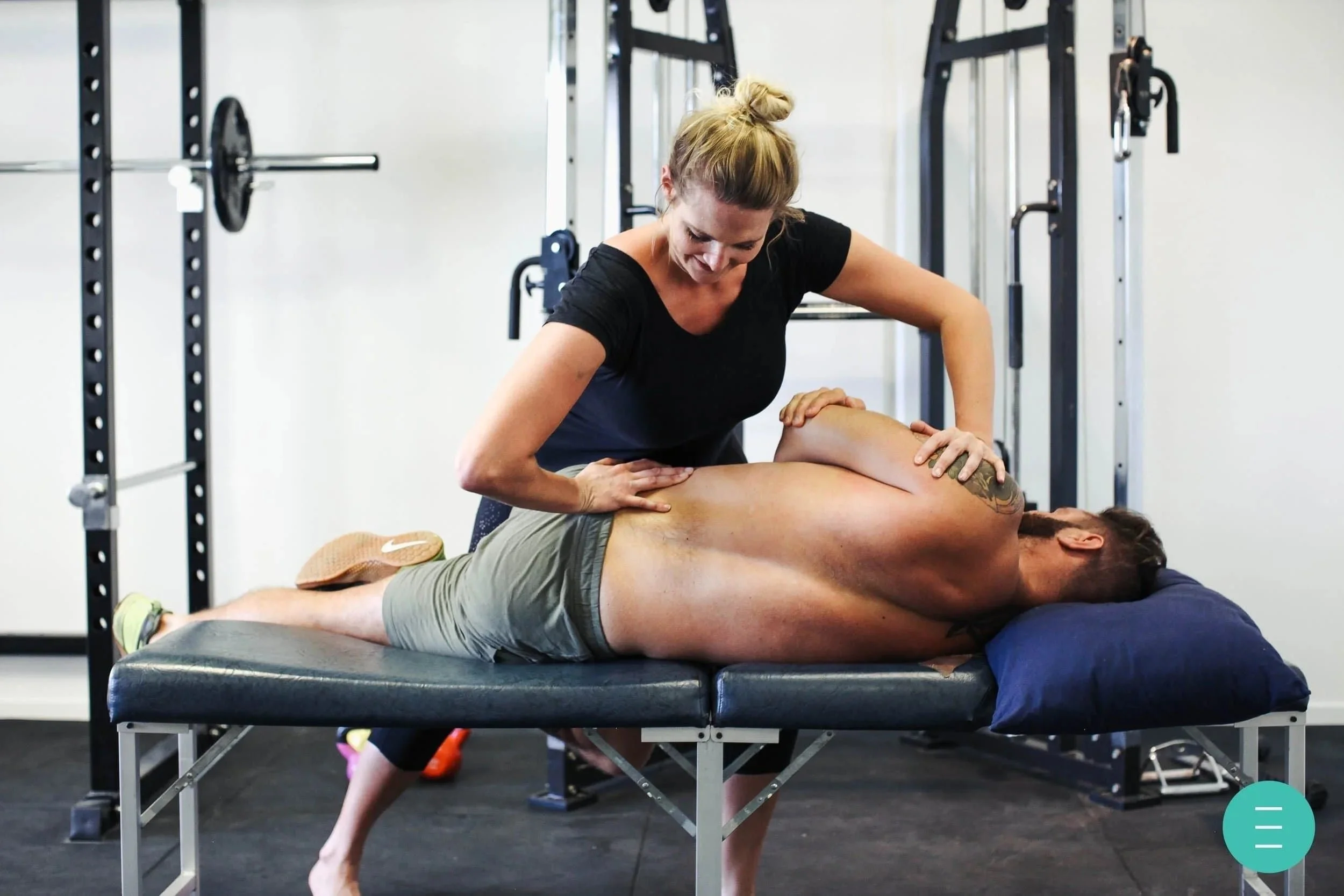
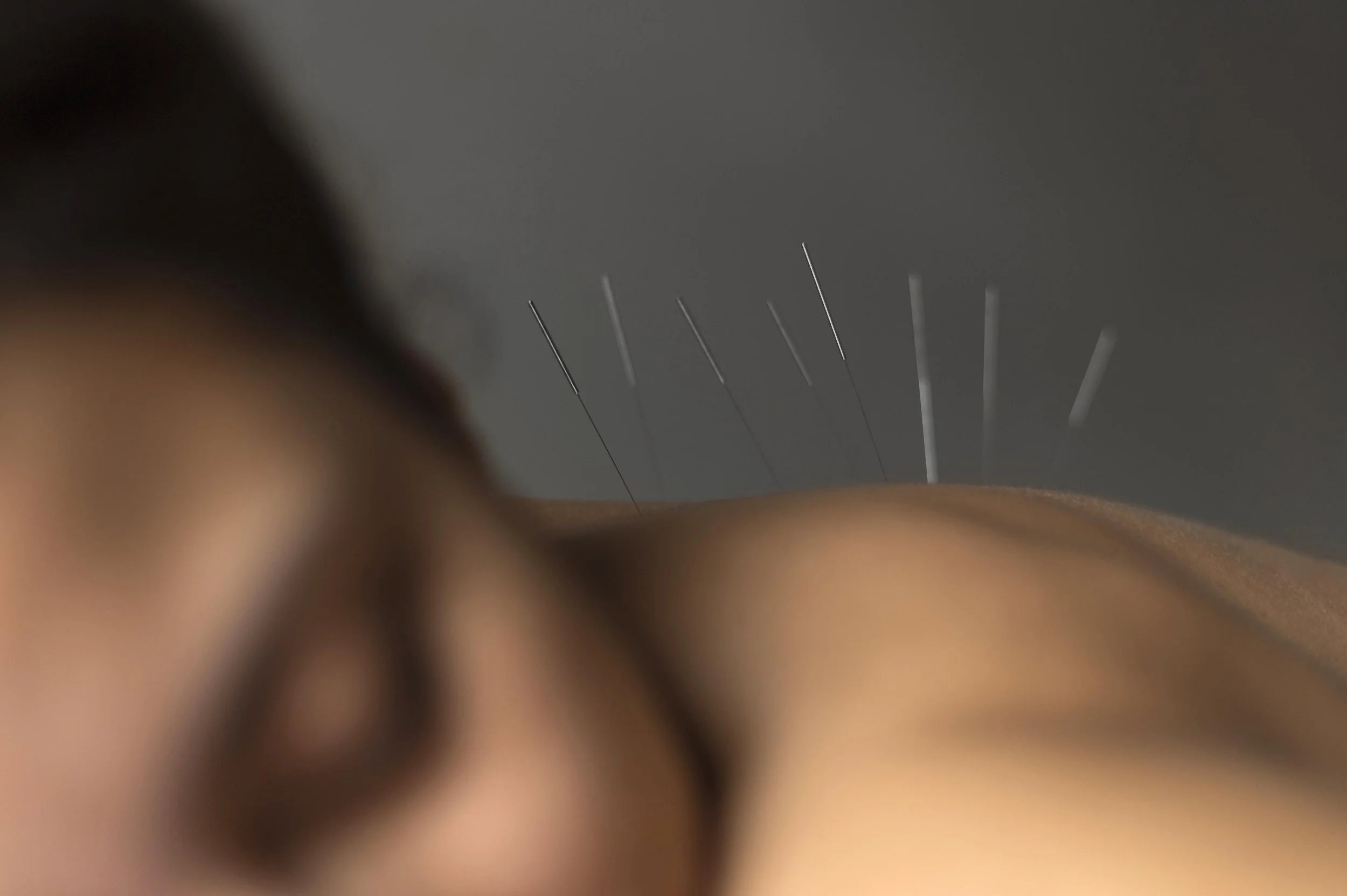
Our team at Elite use hands-on therapy, active release techniques, dry needling and mobilisations to address the tissues under load to relieve pain and tension. We will then focus on strengthening your weak muscles which will ultimately help your posture, decrease your pain and decrease the likelihood of flare ups.
For upper cross syndrome, we generally do release work to your pecs, lats, upper traps, scalenes, suboccipitals and other muscles around your neck and shoulders. We then provide rehabilitation to strengthen your weak muscles and guide rehabilitation to prevent upper cross syndrome coming back.
For lower cross syndrome, we will focus on releasing your deep hip flexors, lower back muscles, TFL and other muscles around your hips. We will then target your glutes and core for strength and stabilisation to help keep your pain away for good.

IMPROVE YOUR POSTURE WITH CONFIDENCE
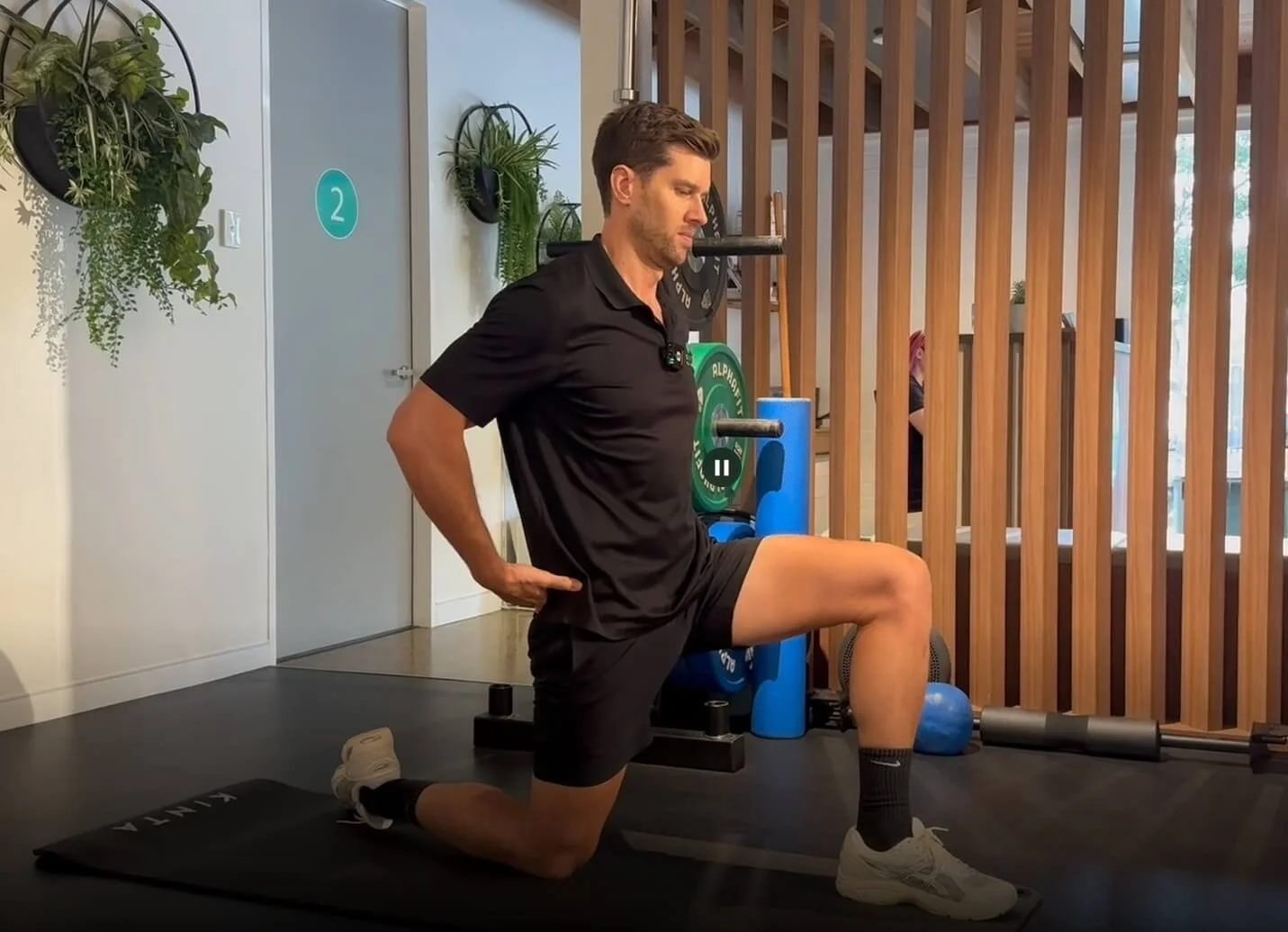
At Elite HP, we’ve helped people from all walks of life improve their posture, from office workers dealing with daily tension to active individuals wanting to move more efficiently.
Our team has experience across a wide range of posture-related conditions, identifying imbalances and addressing them with targeted, practical treatment.
We focus on simple, effective changes that improve how your body moves, helping you reduce discomfort and build better long-term habits.
We guide you with a clear, structured plan so you always know what to focus on and how to continue improving with confidence and consistency.
If poor posture is affecting how you feel or move, don’t leave it unaddressed. Book your appointment today and take the next step forward.
HOW DO WE TREAT POSTURE ISSUES?
Correcting posture starts with understanding how your body moves and where imbalances exist. From there, we tailor treatment to address both symptoms and underlying causes while improving strength, mobility, and control to support better long-term movement patterns. Common techniques include:
-

MOVEMENT & POSTURE ANALYSIS
Movement and posture analysis is used to assess how your body sits, stands, and moves throughout the day. By identifying imbalances, habits, and areas of strain, it helps highlight factors that may affect alignment, movement efficiency, and overall comfort.
-

EXERCISE THERAPY
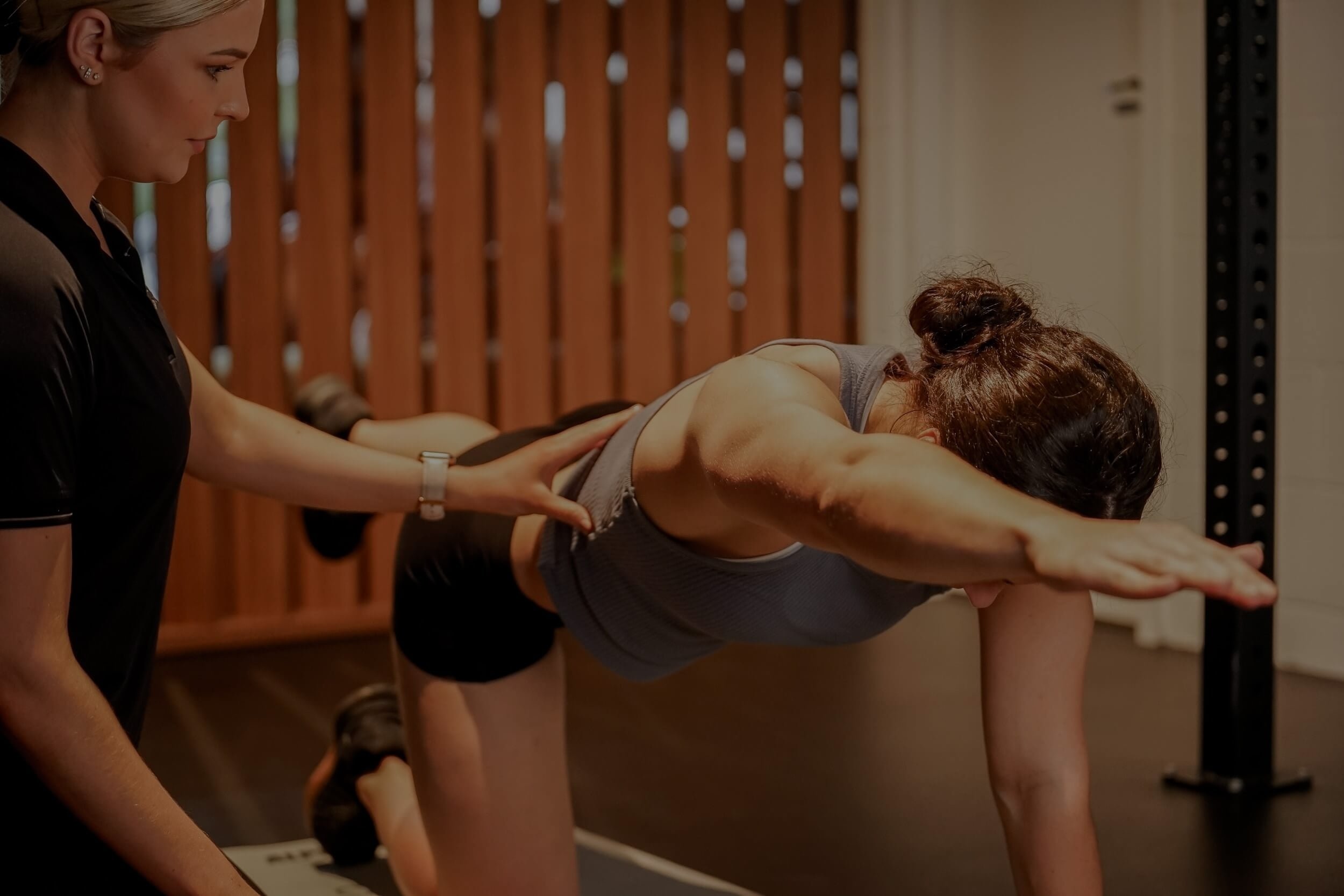
Exercise therapy focuses on strengthening weak muscles and improving stability across key areas like the core, hips, and upper back. With guided movement and progressive loading, it helps restore balance, support better posture, and reduce strain.
-

HANDS-ON THERAPY
Hands-on therapy involves manual techniques to improve joint mobility and reduce muscle stiffness in restricted areas. By restoring movement and easing tension, it helps your body move more efficiently and supports improved posture and alignment.
-
ACTIVE RELEASE TECHNIQUE
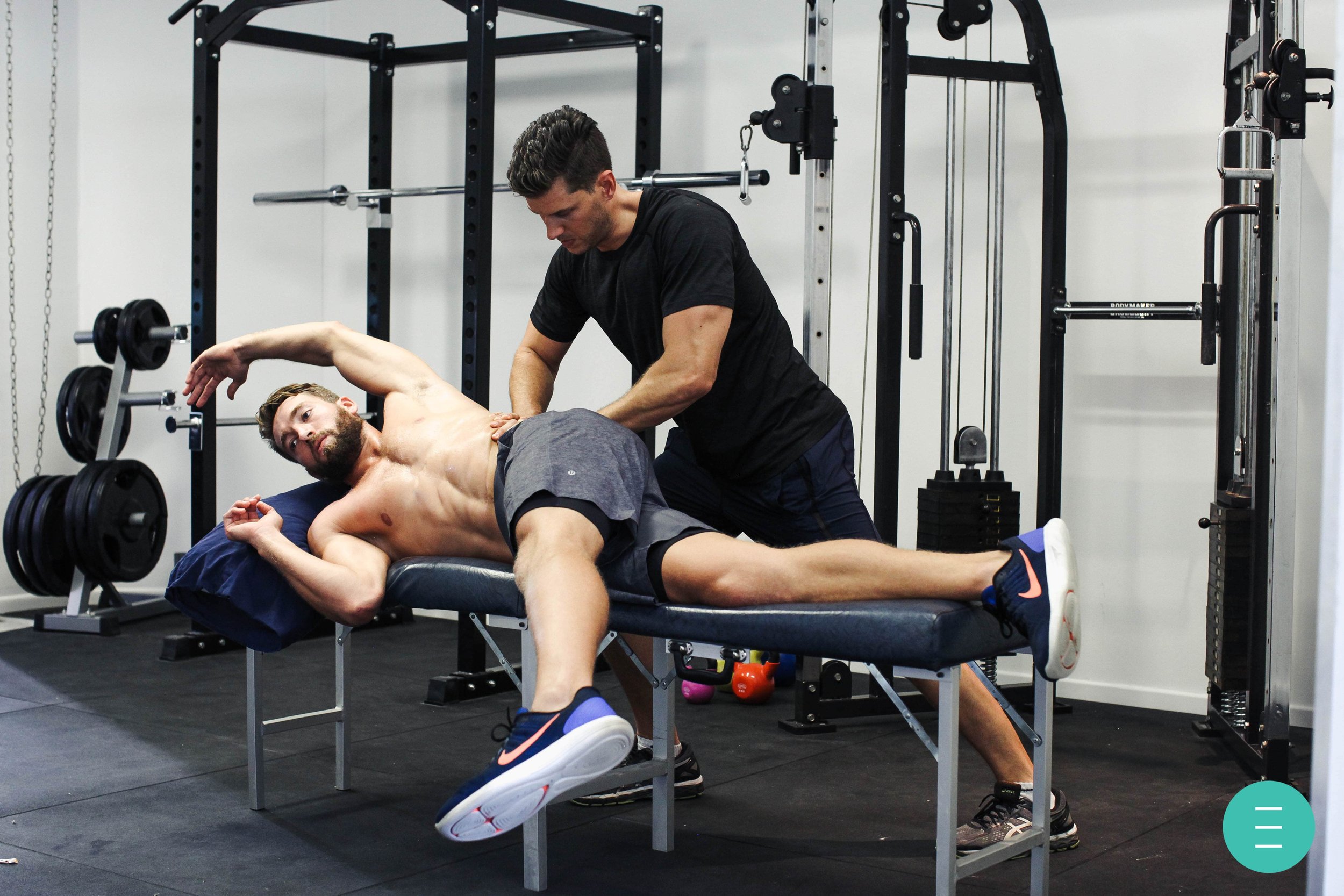
Active Release Technique (ART) is a hands-on method used to address tight or overactive muscles in areas like the neck, shoulders, and hips. Using controlled pressure and movement, it helps reduce restriction, improve blood flow, and ease muscle tension.
Ready to improve your posture?
What makes Elite HP different?
-

Pain-free living, not endless appointments.
Our goal is to help you move well and stay pain-free, not rely on ongoing appointments. We focus on fixing the root cause so you get lasting results, not temporary relief.
-

Immediate relief from your first session.
While many clinics spend the first visits assessing, we begin treatment straight away. After a brief assessment, we get to work so you can start feeling the difference from day one.
-
Physio, chiro, needling and more under one roof.
No need to go between multiple providers. We offer physio, chiro, dry needling, rehab and more in one place to support your recovery efficiently and effectively.


POSTURE CORRECTION FAQ
-
We work with a range of posture-related patterns that can lead to discomfort, reduced mobility, and ongoing strain. Common conditions we help with include:
Upper cross syndrome – a pattern of muscle imbalance affecting the head, neck, shoulders, and upper back. It occurs when the chest and upper trap muscles become tight, while the mid-back and front neck muscles weaken. This can lead to neck pain, headaches, shoulder discomfort or impingement, and mid-back tension
Lower cross syndrome – a similar imbalance affecting the hips, pelvis, and lower back. Tight hip flexors and lower back muscles, combined with weak glutes and core, can lead to lower back pain, hip discomfort, impingement, and even hamstring tightness
Forward head posture – when the head sits in front of the body instead of over the shoulders, increasing strain on the neck and upper back
Thoracic stiffness – reduced mobility through the mid-back that contributes to tightness, poor posture, and limited movement
Lower back overload – ongoing discomfort caused by prolonged sitting, poor support, or uneven load distribution
Whether your symptoms are mild or more persistent, our team can guide you through a plan to improve alignment, restore balance, and support long-term function.
-
These conditions are generally diagnosed clinically, meaning that we do clinical testing to your neck/shoulder and hips/lower back and combine this with your history and presentation.
-
No! With appropriate treatment, exercises and your commitment to rehabilitation you can say goodbye to these imbalance syndromes.
-
If your lower back pain worsens when you sit or stand for a long period of time and your pain generally eases with movement or a change of position, you could have lower cross syndrome.
-
Whilst the tension and/or pain from upper and lower cross syndrome can be annoying to deal with, it is generally not a serious condition.
However, long-term upper and lower cross syndromes can lead to dysfunctions that can create other conditions, such as disc issues, thoracic outlet syndrome, and joint degeneration.
-
Yes. The nerves that innervate your hands come out from the neck, run under your collar bone and in front of your shoulder, down the arm, and into the hand.
If you have poor posture and tight neck and shoulder muscles, you may be loading up these nerves.
-
Yes. Lower cross syndrome can put extra load and tension on the muscles around your hips and lower back.
One of your deep hip muscles, called your piriformis, sits on top of your sciatic nerve. If this muscle is tight and overloaded, it can compress the sciatic nerve and create ‘sciatica’ type pain.
-
Thoracic outlet syndrome (TOS) refers to the compression of your nerves, veins, or arteries coming out of your neck. TOS generally results in more significant neurological or vascular signs in your hand.
Upper cross syndrome refers to the postural imbalances of the muscles of your neck and shoulders. Long-term upper cross syndrome can potentially lead to TOS.
-
It can take 4-12 weeks to correct upper and lower cross syndrome. This will depend of how long you have had it and how consistent you are with treatment and rehabilitation.