Low Back Strain from Deadlifts? Here’s How to Recover Safely
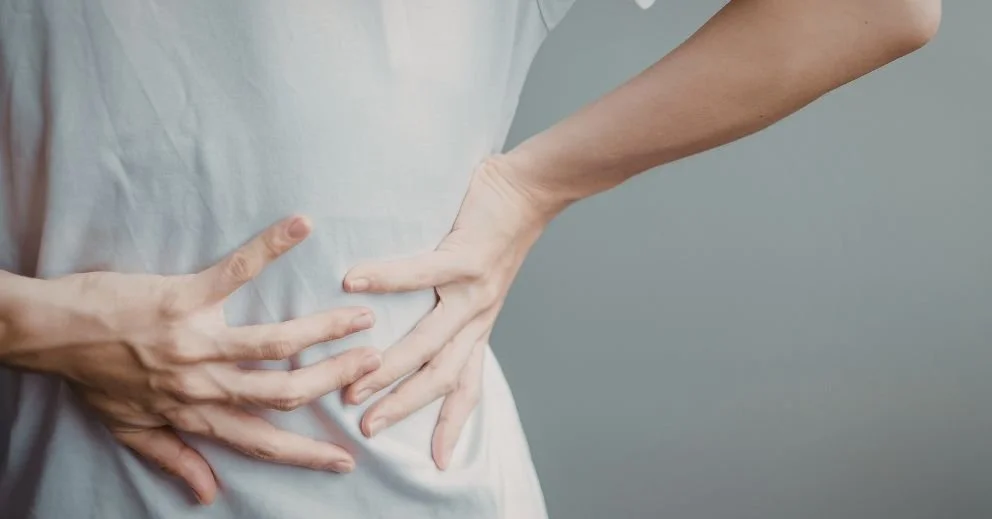
Tweaking your lower back on a deadlift is one of those gym moments you don’t forget. One rep feels off, you rack the bar, and suddenly you’re moving like a robot. It can be scary, especially if you’ve heard horror stories about discs or “throwing your back out”.
Most of the time, though, a deadlift-related low back strain settles well with the right approach. The key is not panicking, not doing nothing, and not trying to train through it like it’s a badge of honour.
Summary: A low back strain from deadlifts is usually a temporary irritation of muscles and surrounding tissues that improves with smart activity, gradual loading, and good technique. In the first week, focus on staying moving and calming symptoms. Then rebuild confidence with controlled hinge patterns, core bracing practice, and progressive strength work. If you have red flags like leg weakness, numbness, or changes to bladder or bowel function, get urgent medical care.
First things first: is this just a strain or something more serious?
Most gym back tweaks are not emergencies. But there are a few signs that do need urgent assessment.
Seek urgent medical help if you have:
Loss of bladder or bowel control
Numbness in the saddle region (around groin or inner thighs)
Progressive leg weakness or foot drop
Severe, unrelenting pain that’s getting worse quickly
Fever, unexplained weight loss, or pain that feels very different to a typical training tweak
If it’s “just” sore, stiff, and painful to bend or hinge, that’s more consistent with a strain or flare-up, and it’s usually very recoverable.
What to do in the first 24 to 72 hours
This window is about calming things down without letting your back seize up.
Do
Keep moving gently: short walks, easy daily movement, changing positions often
Use pain relief strategies if needed: heat can feel great, and over-the-counter options may help for some people (follow the label and your GP’s advice)
Sleep in a comfortable position: side-lying with a pillow between knees or on your back with knees supported often helps
Reduce loading temporarily: yes, stop deadlifts for now, but don’t stop moving entirely
Don’t
Don’t stretch aggressively to “pull it back into place”
Don’t test it with heavy hinging every day to see if it’s better
Don’t lie in bed for days unless you’re truly unwell, it often prolongs stiffness and sensitivity
How to know you’re on track
In the first week, progress often looks like:
You’re moving a bit easier each day
Walking feels better than sitting still
Pain is less sharp and more “achy” or stiff
You can bend a little further without a big spike
Sleep improves
Recovery isn’t always a straight line. A slightly cranky day after doing more is normal. A big flare that lasts 48 hours usually means you pushed too hard.
The safest way to return to training: rebuild the hinge, then reload
If deadlifts triggered it, your goal is to get back to hinging confidently, not to avoid deadlifts forever.
Step 1: start with pain-calming movement and light patterns (days 3 to 10)
Pick 2 to 4 options and keep them easy:
Walking (most underrated back rehab tool)
Hip hinge to wall (touch your bum to a wall behind you)
Bodyweight Romanian deadlift pattern with a dowel or broomstick
Glute bridge (slow, controlled)
Quadruped rock-backs (hips back, neutral spine)
A good guide: keep discomfort around 0 to 3 out of 10, and it should settle soon after.
Step 2: reintroduce controlled strength (week 2 onwards, depending on symptoms)
Once daily movement is easier, start loading in a way your back tolerates.
Good “return to hinge” options:
Cable pull-throughs
Kettlebell deadlift from blocks
Trap bar deadlift (often more forgiving than straight bar)
Romanian deadlift with light dumbbells
Leg press or split squats to keep training legs while the back settles
Start with:
2 to 3 sessions per week
Light to moderate load
Controlled tempo
Plenty of rest between sets
Step 3: return to your normal deadlift (when you’ve earned it)
This is the part people rush. You’re ready to build back to heavier deadlifts when:
You can hinge and brace without sharp pain
You can tolerate moderate loading without a next-day flare
Your confidence is returning, not just your strength
A simple progression:
Elevated pulls or blocks
Trap bar or lighter straight bar
Gradually lower the start height
Slowly build intensity over weeks, not days
The technique piece most people miss: bracing and setup
A deadlift strain often happens when you lose tension under load, usually off the floor or near lockout when fatigue hits.
A few cues that help most lifters:
Brace like someone’s about to poke your belly (360-degree pressure, not just sucking in)
Get tight before you lift: slack out of the bar, lats on, feet rooted
Push the floor away rather than yanking the bar up
Keep the bar close to your body
Stop sets before form falls apart while you’re rebuilding
If you’re not sure what went wrong, a coach or clinician watching your setup can be a game changer.
Should you stretch your back?
Sometimes gentle mobility feels good, but stretching isn’t the main fix for a deadlift strain. In the early phase, your back may be sensitive to bending and stretching can aggravate it.
If you do stretch, keep it light and choose options that don’t spike pain:
Gentle hip flexor stretch
Gentle glute stretch
Thoracic mobility (upper back rotation)
Cat-cow style movements (slow and small)
If a stretch makes pain sharper, skip it.
Can you still train while recovering?
Usually, yes. You just need to train around it.
Good options while your back settles:
Upper body training as normal (modify positions if needed)
Single-leg leg work that doesn’t flare symptoms (split squats, step-ups)
Low-impact cardio (walking, bike if comfortable)
Core work focused on control and breathing, not max effort
What to avoid early:
Heavy hinging, heavy squats if they aggravate symptoms
High fatigue sets that make you lose bracing
Anything that causes a strong pain spike during and lingers after
When to book in for an assessment
If any of these are true, it’s worth getting it checked properly:
Pain hasn’t improved meaningfully in 7 to 14 days
You keep flaring every time you try to return to hinging
Pain is travelling down the leg, or you have pins and needles
You’re anxious about lifting again and need a clear plan
You’re not sure whether it’s a strain, joint irritation, or disc-related pain
A tailored plan is often the difference between “sort of better” and confidently deadlifting again.
Want a clear recovery plan that gets you back under the bar safely?
At Elite Health and Performance, we’re a cutting edge multi-disciplinary clinic in Bowen Hills servicing all of Brisbane, specialising in musculoskeletal treatment and rehabilitation. If you’ve strained your lower back deadlifting, we can assess what’s driving your pain, guide your rehab, and build a step-by-step return-to-lifting plan so you’re not guessing.
Book an appointment and get back to training with confidence.
Key takeaways
Most deadlift-related low back strains recover well with the right approach
Keep moving in the first few days, don’t over-rest
Rebuild hinge tolerance first, then progressively reload strength
Bracing and setup matter as much as rehab exercises
Get assessed early if symptoms aren’t improving or if leg symptoms appear
FAQ
How long does a low back strain take to settle?Most start improving in a few days and feel much better within 2 to 6 weeks, depending on how irritated it is and how you reload training.
Should I stop training completely?Usually no. Train around it with upper body work, walking, and leg exercises that don’t flare symptoms. Pause heavy hinging early.
Do I need an MRI?Not if you’re improving week to week. Book an assessment if you have red flags, leg symptoms, or no clear improvement in 7 to 14 days.
How do I know if it’s a strain or a disc issue?A strain is often local pain and stiffness. Disc-type symptoms more often include pain down the leg, pins and needles, or weakness. Get assessed if leg symptoms appear.
When can I deadlift again?When you can hinge and brace without sharp pain and tolerate moderate loading without a next-day flare. Build back through blocks or trap bar first.