


PHYSIO & CHIRO FOR STRESS FRACTURES
Do you have pain that doesn’t subside with rest? Our experienced team provides personalised treatment to help you reduce pain, restore strength, and return to activity with confidence. Book now!

LET’S FIX YOUR STRESS FRACTURE.
Stress fractures are small bone injuries caused by repeated stress over time. They often begin as mild discomfort but can quickly progress into ongoing pain that affects both activity and daily life.
At Elite HP, we’ve worked with a wide range of stress fracture cases, from early-stage bone stress reactions to more developed injuries.
We take a personalised approach to identify the root cause of your condition and build a treatment plan that supports healing, restores strength, and prevents recurrence.
If you’re ready to stop guessing and start recovering, book an appointment today. We’re here to help.
What causes stress fractures?
Stress fractures are a common overuse injury that can develop gradually or come on with increased activity, often caused by repetitive loading, sudden training changes, poor biomechanics, or underlying factors affecting bone health.
-
Stress fractures usually develop gradually and worsen over time. Key symptoms include:
Pain that initially occurs after activity which then builds to continual pain during and after the activity
Localised tenderness in a specific area
Pain that lingers even after stopping exercise
Swelling/inflammation around the area
Pain that is usually localised to one specific area
-
A stress fracture can occur from repetitive mechanical loading that exceeds the bone's capacity for repair. This can be related to an increase in training volume or intensity without allowing the tissue to adapt to the extra load.
They can also be caused from poor body mechanics, load asymmetries or an underlying nutritional deficiency or pathology. Common causes include:
Rapid increases in training volume or intensity
Repetitive impact activities like running or jumping
Poor movement mechanics or load distribution
Muscle imbalances or weakness
Inadequate recovery between sessions
Footwear changes or lack of support
Hard or uneven training surfaces
Nutritional deficiencies affecting bone health
These injuries most commonly occur in areas that absorb repetitive load, including:
Lower leg (shin, foot, or hip)
Lower back
-
Our Elite team utilises a combination of thorough assessment, hands-on manual therapy, rehabilitation, and management strategies to get you back to your activity.
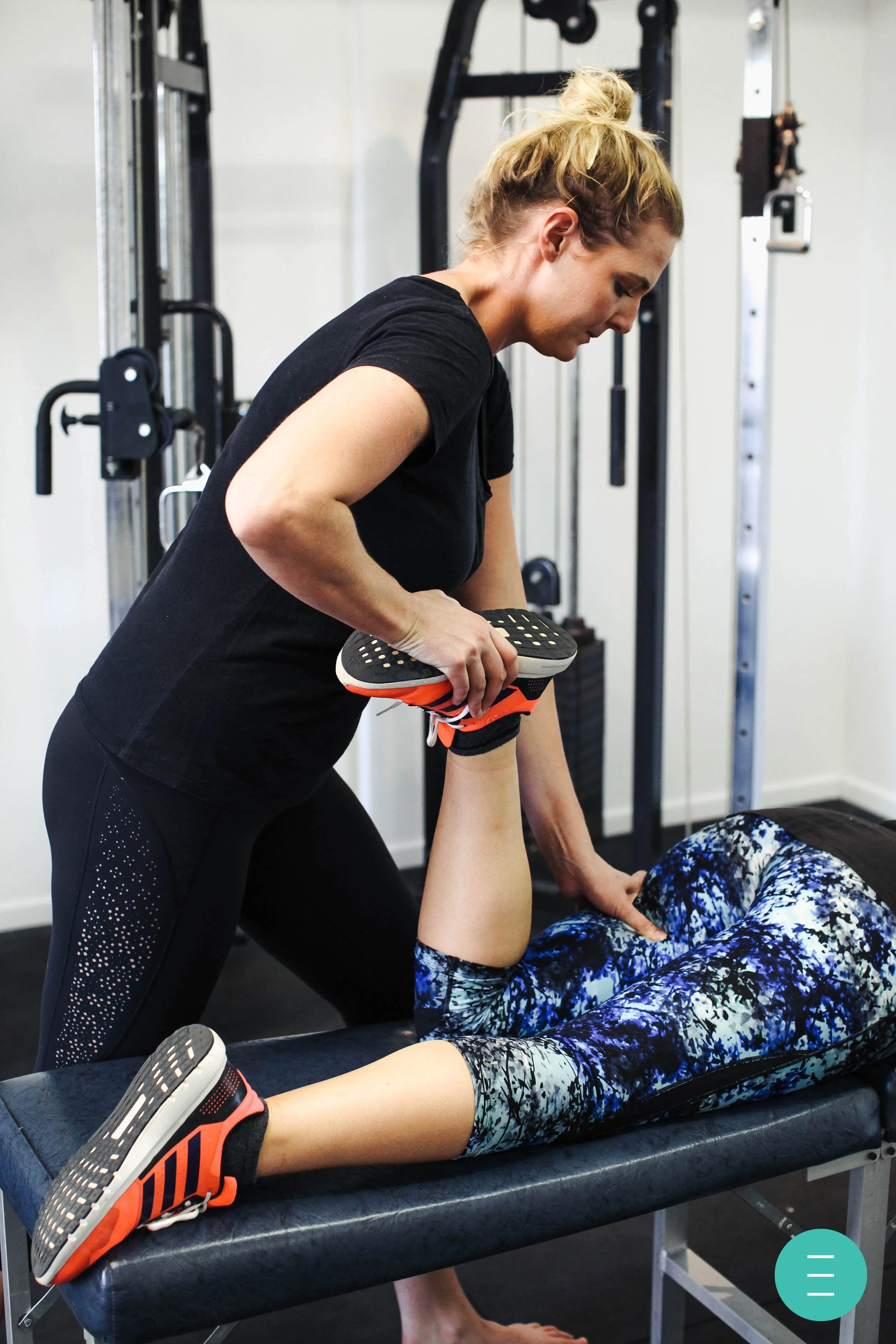
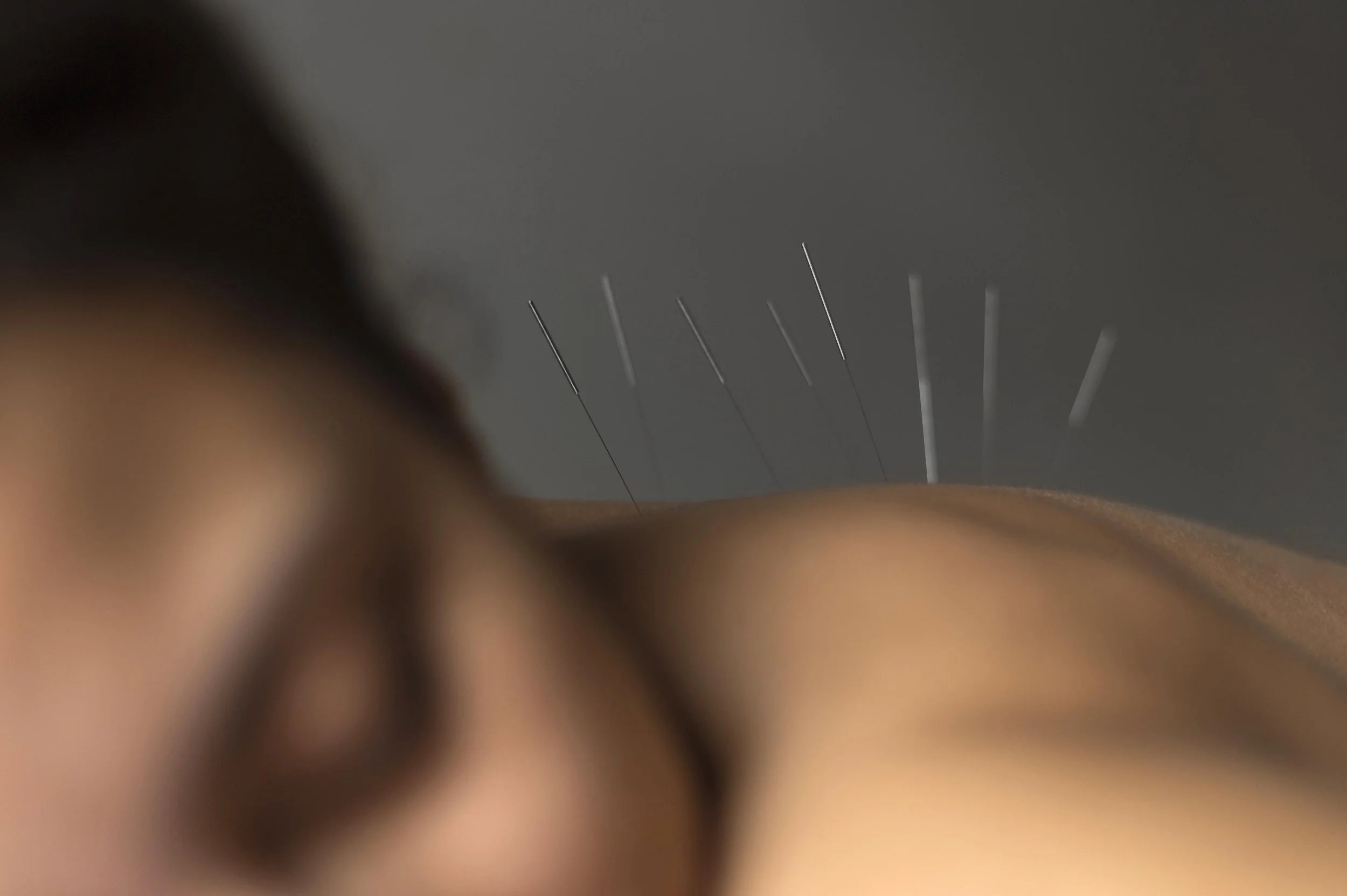
We use hands-on treatment, dry needling, active release therapy, and mobilisations to deload the muscles involved in your injury to help relieve tension and pain. For a lower limb stress fracture, this may involve releasing your peroneal muscles, tibialis anterior and posterior, calf muscles, and your muscles around your hips, including glutes and adductors.
We also assess your chain of movement below and above the injury to help identify overload contributors that may have caused your stress fracture. For example, you may have deficits through your calf, hip, ankle, or pelvis that may be changing your load distribution and causing the stress response.
We also take into account footwear considerations, training errors, and training load deficits. These are all important factors that need to be taken into consideration when we address the cause of your stress fracture.
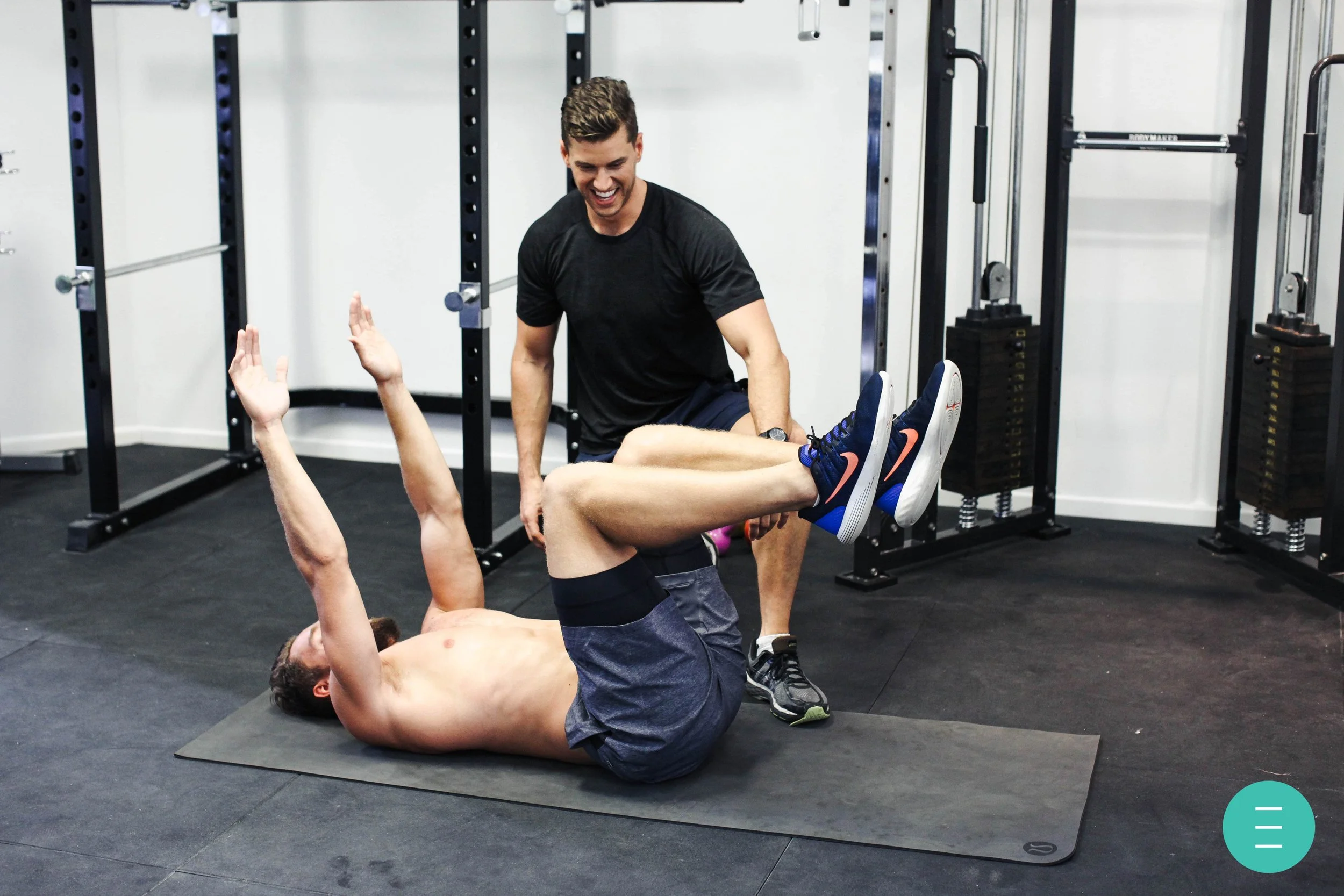
We then guide you through a tailored rehabilitation program aimed at correcting the mechanical asymmetries that may have contributed to the injury. If you are a runner, this can include a running assessment to help identify movement patterns that may be contributing to repeated overload.

BUILD A STRONGER RETURN TO ACTIVITY
At Elite HP, we’ve worked with active individuals of all levels, from recreational runners to high-performing athletes, helping them recover from stress fractures and return with confidence.
Our team combines clinical expertise with structured rehabilitation, giving you clear guidance on how to heal properly without rushing the process.
We focus on practical strategies that support bone recovery, improve movement patterns, and reduce the risk of reinjury.
We’re confident in the care we provide. You’ll receive a detailed assessment and a personalised plan, so you understand your injury and how to progress safely.
If you’re ready to recover properly and get back to what you enjoy, book your assessment today and take the next step forward.
HOW DO we treat stress fractures?
Physiotherapy for stress fractures begins with a thorough assessment to identify the underlying cause and severity of your injury. From there, we create a tailored treatment plan to support healing, restore function, reduce pain, and prevent future injury. Common techniques include:
-

LOAD MANAGEMENT
We guide you through activity modification and structured load progression to allow the bone to heal while maintaining fitness. This helps reduce pain, prevent worsening of injury, and support a safe return to activity.
-

HANDS-ON THERAPY
We use manual therapy to address tight muscles and improve joint mobility around the injured area. This helps reduce strain on the bone, improve movement efficiency, and support better load distribution during recovery.
-

EXERCISE THERAPY
We design a tailored program to rebuild strength, improve stability, and correct movement patterns as healing progresses. This helps restore function, support recovery, and reduce the risk of future stress injuries.
-

MOVEMENT ASSESSMENT
We assess how your body moves during activity to identify imbalances or inefficiencies contributing to overload. This helps highlight factors that may impact performance and increase the risk of reinjury.

Ready to recover from
your stress fracture?
What makes Elite HP different?
-

Pain-free living, not endless appointments.
We focus on identifying and fixing the root cause of your stress fracture, rather than providing temporary relief.
-

Immediate treatment from your first session.
After a quick assessment, we begin treatment straight away so you can start progressing immediately.
-
Everything you need in one place, together.
From physio to rehab and manual therapy, we provide a complete service under one roof to support your recovery.



STRESS FRACTURES FAQ
-
After a clinical history and thorough examination, your practitioner may refer you for an MRI if they suspect you may have a stress fracture. This will detect any underlying bony stress response.
-
No. We must allow time for your bone to heal so we are not worsening your current stress fracture. Your practitioner at Elite HP will guide you through your tailored loading program to return to your sport.
-
Depending on the severity and location, stress fractures can take 4-12 weeks to heal.
-
Initially, a stress fracture may just feel like dull pain whenever you load the tissue (running, etc.) and can generally be settled by rest.
As the stress response builds, the pain will persist after you stop exercising, so you won’t get instant relief.
-
Shin splints (medial tibial stress syndrome) will generally be over a larger surface area and will settle down when you rest.
Stress fracture pain will usually take longer to settle down and can cause a dull ache even when you are not exercising.
-
Yes, if a stress fracture is suspected, you will need an MRI to confirm. A stress fracture can significantly change the management of your injury, so it is important to get an MRI to guide recovery expectations.
-
They will generally get worse. They can become more painful, and you can do more damage. This will prolong your recovery and can cause other compensatory injuries.
-
Pain that doesn’t subside with rest is generally the first sign of a stress response.
-
If you have a stress fracture that keeps coming back, it is likely caused by poor mechanical loading, underlying nutritional/bone deficiency, or maybe it did not completely heal before you started to increase the load.