Managing Rotator Cuff Injuries with Chiropractic and Physiotherapy Care
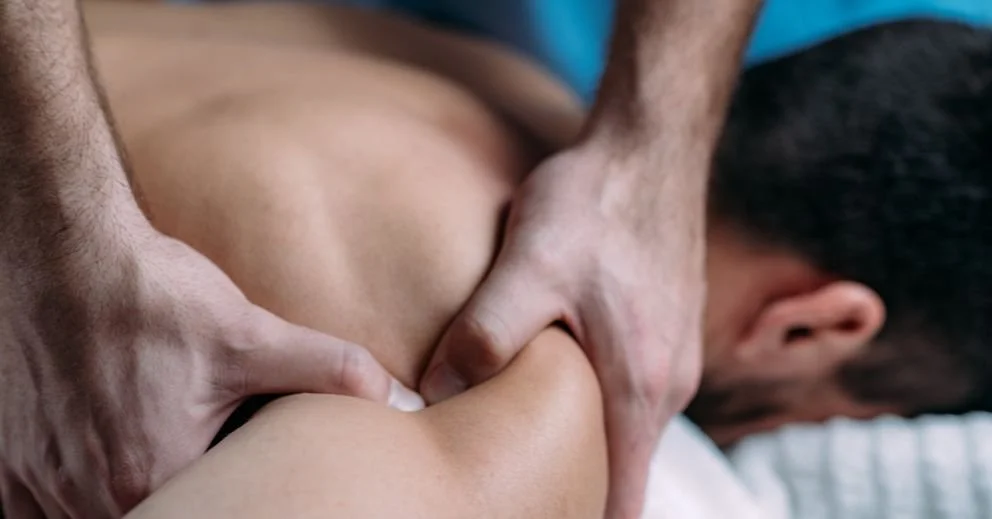
Shoulder pain can quickly interfere with everyday life. Reaching overhead, lifting objects, exercising, or even sleeping comfortably can become difficult when the shoulder isn’t functioning properly. One of the most common causes of shoulder pain is a rotator cuff injury, which affects the muscles and tendons responsible for stabilising and moving the shoulder joint.
While some people worry that shoulder injuries automatically mean surgery, many rotator cuff problems can be managed effectively with the right conservative treatment. Chiropractic and physiotherapy care often work together to reduce pain, restore movement, and support long-term shoulder health.
Summary: Rotator cuff injuries affect the group of muscles and tendons that stabilise the shoulder joint. These injuries can develop through repetitive movements, sports, poor posture, or gradual wear and tear. Chiropractic and physiotherapy treatment can help manage rotator cuff injuries by improving joint mobility, strengthening surrounding muscles, and correcting movement patterns. A structured rehabilitation program can help reduce pain, restore shoulder function, and lower the risk of recurring injury.
Understanding the rotator cuff
The rotator cuff is made up of four muscles and their tendons that surround the shoulder joint. These muscles work together to stabilise the shoulder and allow movements such as lifting, rotating, and reaching.
Because the shoulder joint is designed for a wide range of motion, it relies heavily on these muscles for stability. When the rotator cuff becomes irritated, inflamed, or torn, shoulder function can become limited and painful.
Rotator cuff injuries can vary in severity. Some people experience mild inflammation or tendon irritation, while others may develop partial or full tendon tears.
Common causes of rotator cuff injuries
Rotator cuff injuries can develop suddenly from trauma or gradually over time due to repeated stress on the shoulder.
Some common contributing factors include:
repetitive overhead movements
sports such as swimming, tennis, or throwing activities
lifting heavy objects incorrectly
poor posture, particularly with prolonged desk work
age-related degeneration of shoulder tendons
Over time, these stresses can weaken the rotator cuff tendons and make them more vulnerable to injury.
Symptoms to watch for
Rotator cuff injuries often cause symptoms that interfere with both daily activities and physical exercise.
Typical symptoms may include:
shoulder pain when lifting the arm
weakness or fatigue in the shoulder
reduced range of motion
pain when sleeping on the affected side
discomfort when reaching overhead or behind the back
Some individuals also notice clicking or catching sensations during shoulder movement.
If these symptoms persist, professional assessment can help determine the cause and guide appropriate treatment.
The role of physiotherapy in shoulder rehabilitation
Physiotherapy is often a central component of rotator cuff injury recovery. A physiotherapist focuses on restoring shoulder strength, improving mobility, and helping the joint move more efficiently.
Treatment may include:
targeted strengthening exercises
mobility and flexibility training
soft tissue therapy
progressive rehabilitation programs
Strengthening the rotator cuff and surrounding muscles can improve shoulder stability and help prevent further strain on injured tendons.
How chiropractic care can support recovery
Chiropractic treatment can complement physiotherapy by addressing joint mobility and biomechanics that influence shoulder movement.
The shoulder does not function in isolation. The neck, upper back, and shoulder blade all play important roles in how the shoulder joint moves and stabilises.
Restricted movement in these areas can increase strain on the rotator cuff.
Chiropractic care may help by:
improving mobility in the spine and upper back
addressing joint restrictions affecting shoulder mechanics
reducing muscle tension around the shoulder and neck
supporting better posture and movement patterns
When combined with physiotherapy exercises, this approach can help restore more balanced and efficient shoulder function.
Why a multidisciplinary approach is effective
Rotator cuff injuries often involve several interconnected factors including muscle weakness, joint stiffness, posture, and movement patterns.
A multidisciplinary approach allows different healthcare professionals to address these factors from multiple angles. While physiotherapy focuses on rehabilitation and strengthening, chiropractic care may assist with mobility and biomechanical alignment.
Together, these treatments aim to relieve pain, improve shoulder function, and support long-term recovery.
When to seek treatment for shoulder pain
Some minor shoulder discomfort can improve with rest and activity modification. However, persistent or worsening symptoms should be assessed by a healthcare professional.
You may benefit from professional care if you experience:
shoulder pain lasting longer than a few weeks
weakness when lifting objects
difficulty reaching overhead or behind your back
pain interfering with sleep or exercise
Early treatment can help prevent further injury and improve recovery outcomes.
Elite Health and Performance is a cutting-edge multidisciplinary clinic based in Bowen Hills, servicing patients across Brisbane. The clinic specialises in musculoskeletal treatment and rehabilitation, combining expertise across chiropractic care, physiotherapy, and other disciplines to support recovery and performance.
If you’re experiencing shoulder pain or managing a rotator cuff injury, contact our team today and learn how we can help you return to comfortable movement and long-term shoulder health.
Key Takeaways
Rotator cuff injuries are a common cause of shoulder pain.
They can affect everyday activities, exercise, and sleep.
These injuries often develop through repetitive strain, sports participation, poor posture, or gradual wear and tear.
Chiropractic and physiotherapy care can work together to help manage rotator cuff injuries.
Treatment may focus on improving mobility, strengthening the shoulder, and correcting movement patterns.
With a structured rehabilitation plan, many people can recover successfully.
Proper care can also help reduce the risk of future shoulder problems.
FAQ
What is the fastest way to recover from a rotator cuff injury?
Recovery time depends on the severity of the injury. Early diagnosis, guided rehabilitation exercises, and professional treatment often help improve recovery outcomes.
Can rotator cuff injuries heal without surgery?
Yes. Many rotator cuff injuries respond well to non-surgical treatments such as physiotherapy, rehabilitation exercises, and manual therapy.
How long does rotator cuff rehabilitation usually take?
Mild injuries may improve within several weeks, while more significant injuries can take several months of structured rehabilitation.
Is it safe to exercise with a rotator cuff injury?
Exercise can be beneficial when performed correctly. A healthcare professional can prescribe rehabilitation exercises that strengthen the shoulder safely.
Should I see a chiropractor or physiotherapist for shoulder pain?
Both professionals can play important roles. Physiotherapy often focuses on strengthening and rehabilitation, while chiropractic care may address joint mobility and biomechanics that contribute to shoulder pain.