


Physiotherapy for Pregnancy
Not sure what’s normal when it comes to pelvic or low back discomfort during pregnancy? These changes are common as your body adapts, but they don’t have to be managed alone. Our team can guide you through safe strategies to improve comfort, movement, and stability.
Support for Every Stage of Pregnancy.
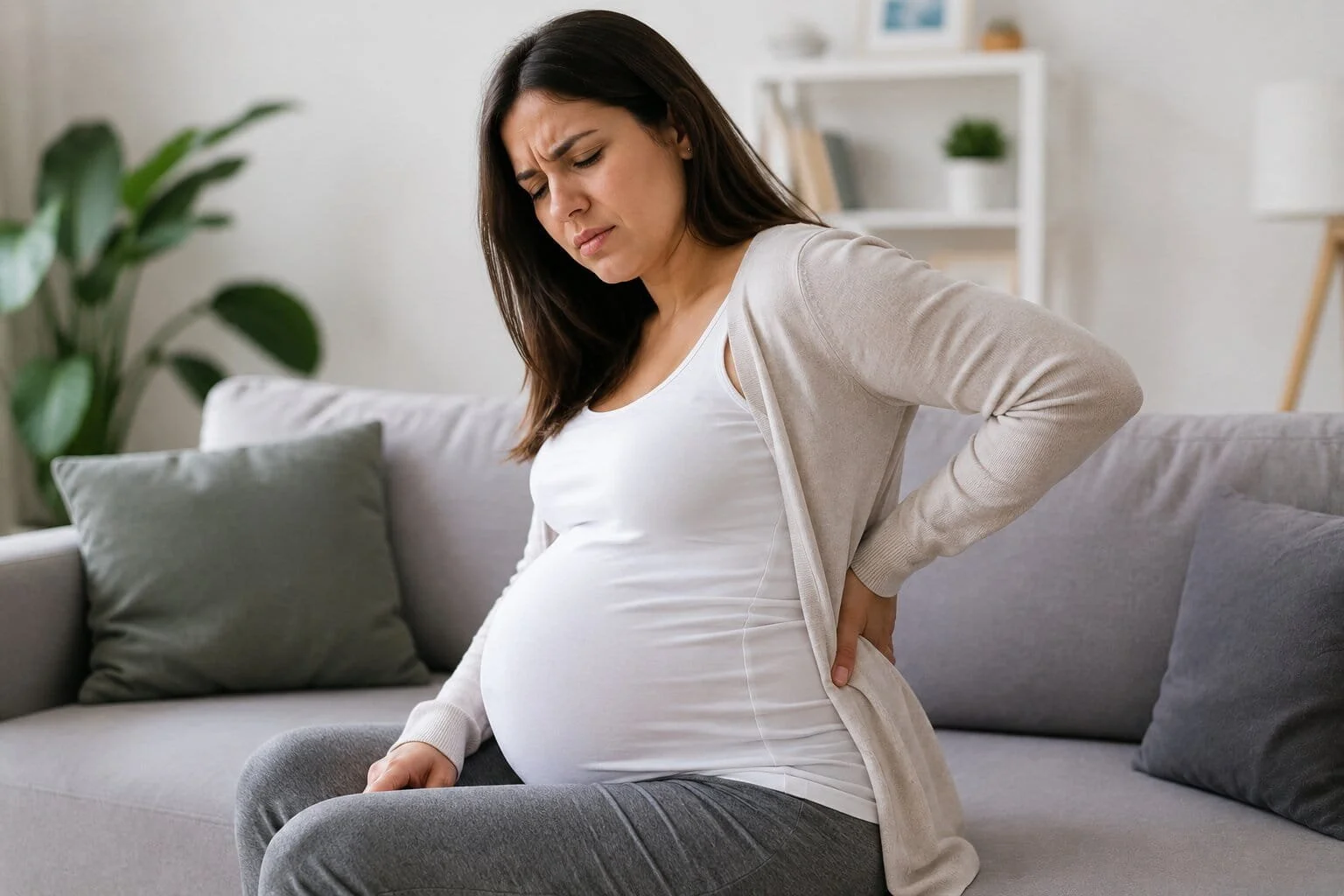
Your body adapts constantly during pregnancy. Shifting weight and loosening ligaments place extra demands on your joints and muscles, and these changes don't always settle on their own.
At Elite Health & Performance, we work with expectant mums experiencing pelvic girdle pain, lower back discomfort, rib flare, and general tension that builds as pregnancy progresses. We take the time to understand what stage you're at and what's changing for you, then build a plan around it.
Every pregnancy is different, so treatment should be too. We aim to keep you moving comfortably through each trimester and support your body as it prepares for birth and recovery beyond it.
Everything you need to Know
Pregnancy can place extra strain on your body, leading to aches and discomfort as it changes. Learn more about common pregnancy-related conditions and how physiotherapy can help.
-
Pelvic girdle pain is a common condition during pregnancy that affects the joints and muscles around the pelvis. It can start at any stage of pregnancy but often becomes more noticeable as your baby grows. Pain may be felt in the hips, groin, buttocks, or lower back and can make everyday movements uncomfortable.
Pregnancy hormones, including relaxin, help soften ligaments and muscles to support your growing baby and prepare the body for birth. This increased laxity can place extra strain on surrounding tissues. Physiotherapy can help improve strength, stability, and load management throughout pregnancy.
-
Back pain is very common during pregnancy due to changes in posture, hormones, and the growing baby. While common, it shouldn’t be ignored if it is affecting your daily activities. Physiotherapy can help reduce pain, improve movement, and keep you active throughout pregnancy.
-
Sciatica during pregnancy usually causes pain that starts in the lower back or buttock and travels down the leg. Some women also experience tingling, numbness, or burning sensations. Pregnancy-related changes can contribute to irritation of the sciatic nerve and surrounding tissues.
-
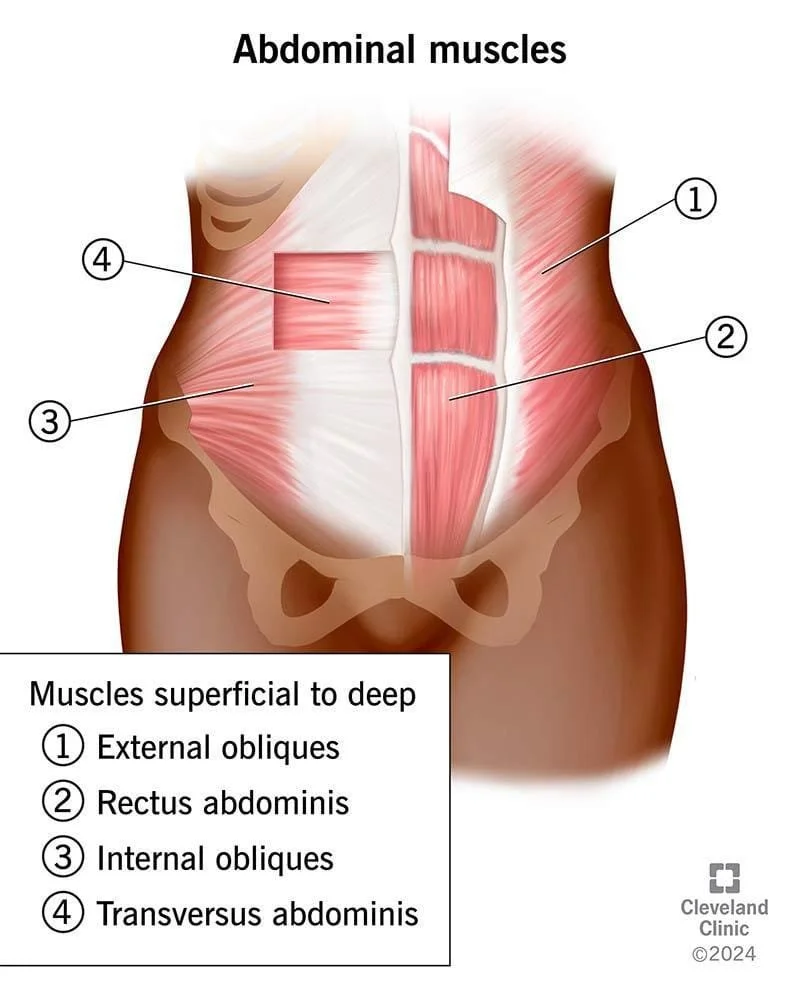
Diastasis recti is a separation of the abdominal muscles that can occur during pregnancy as the abdominal wall stretches to accommodate your growing baby. A physiotherapist can assess the width and depth of the separation, as well as how well the abdominal muscles are functioning, to guide safe management during pregnancy and after birth.
It cannot always be fully prevented, but appropriate exercise and good core control may help reduce its severity and support the abdominal wall throughout pregnancy. Exercises that create excessive pressure through the abdomen or cause doming along the midline may need to be modified. Your physiotherapist can guide safe, individualised exercise choices based on your presentation.
-
Sacroiliac Joint (SIJ) pain is common during pregnancy and is often grouped under pelvic girdle pain (PGP). It is related to hormonal changes (such as relaxin) and increased load through the pelvis as your body adapts to support your growing baby.
It is often felt on one or both sides of the lower back, buttock, or deep within the pelvic region, and can sometimes refer into the groin, pubic bone, or upper thigh. Some women may also notice feelings of instability or clicking around the pelvis.
Symptoms are typically aggravated by activities such as walking, climbing stairs, standing on one leg, turning in bed, getting in and out of the car, or prolonged standing, and can interfere with sleep and everyday activities. Although SIJ pain can be uncomfortable, it is not harmful to your baby.
Physiotherapy can help by improving pelvic stability, teaching load management strategies, and providing targeted strengthening and movement advice to reduce pain and support comfortable daily function throughout pregnancy.

Feel Your Best During Pregnancy
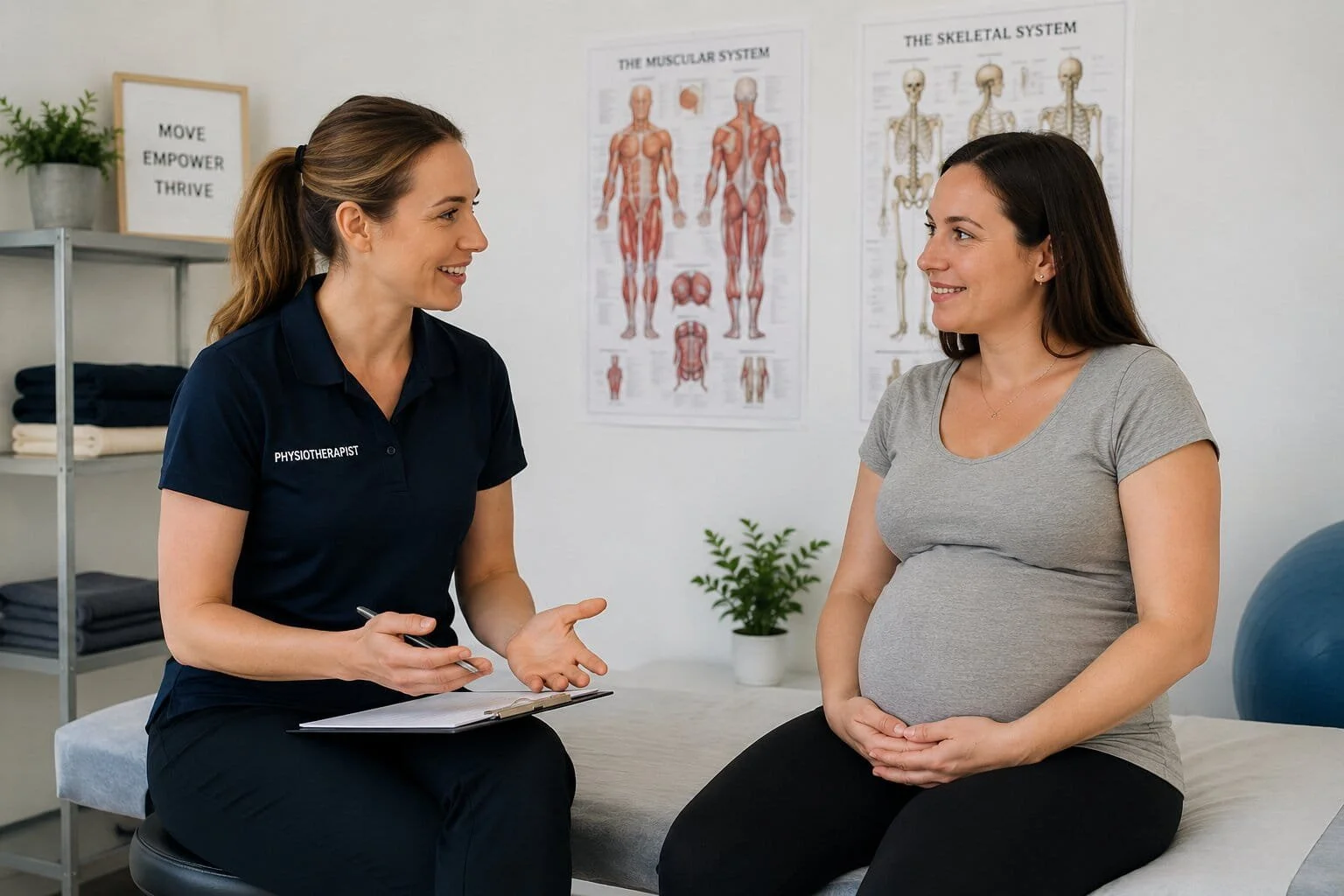
We've supported mums through first pregnancies, second and third pregnancies, and everything in between, adapting our approach as needs change from the first trimester right through to the third.
Our team understands the specific postural and structural shifts that occur as pregnancy advances, from early ligament laxity to the added load of a growing bump later on.
We focus on practical, hands-on treatment paired with movement guidance you can use at home. Positioning is always adapted for your comfort, using supportive pillows and pregnancy-safe techniques throughout.
We keep you informed at every step, so you understand what's happening in your body and what to expect next. If pregnancy-related pain is affecting your day-to-day, book an appointment and let's work through it together.
What makes Elite HP different?
-
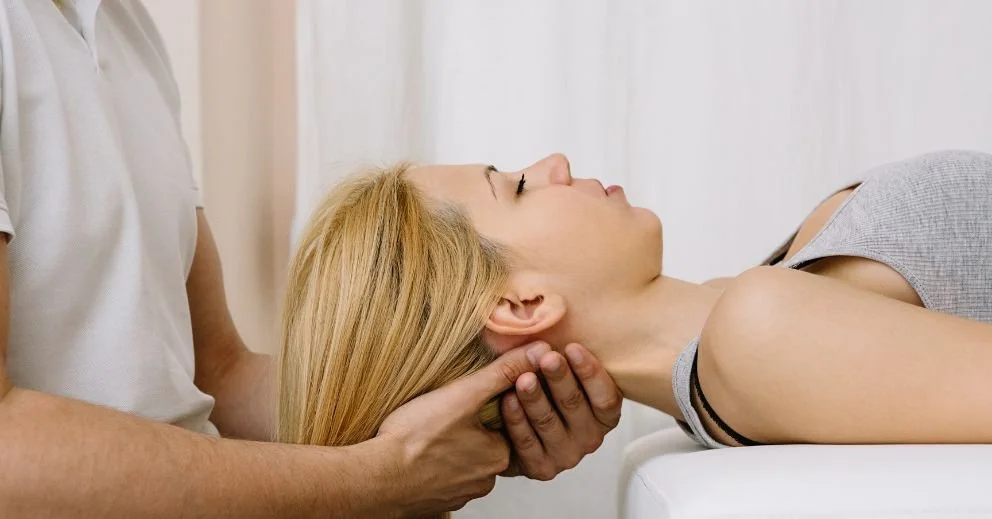
Pain-free living, not endless appointments.
No two pregnancies are the same. We tailor every treatment plan to your stage of pregnancy, symptoms, and goals, helping you stay comfortable, active, and well supported as your body changes.
-
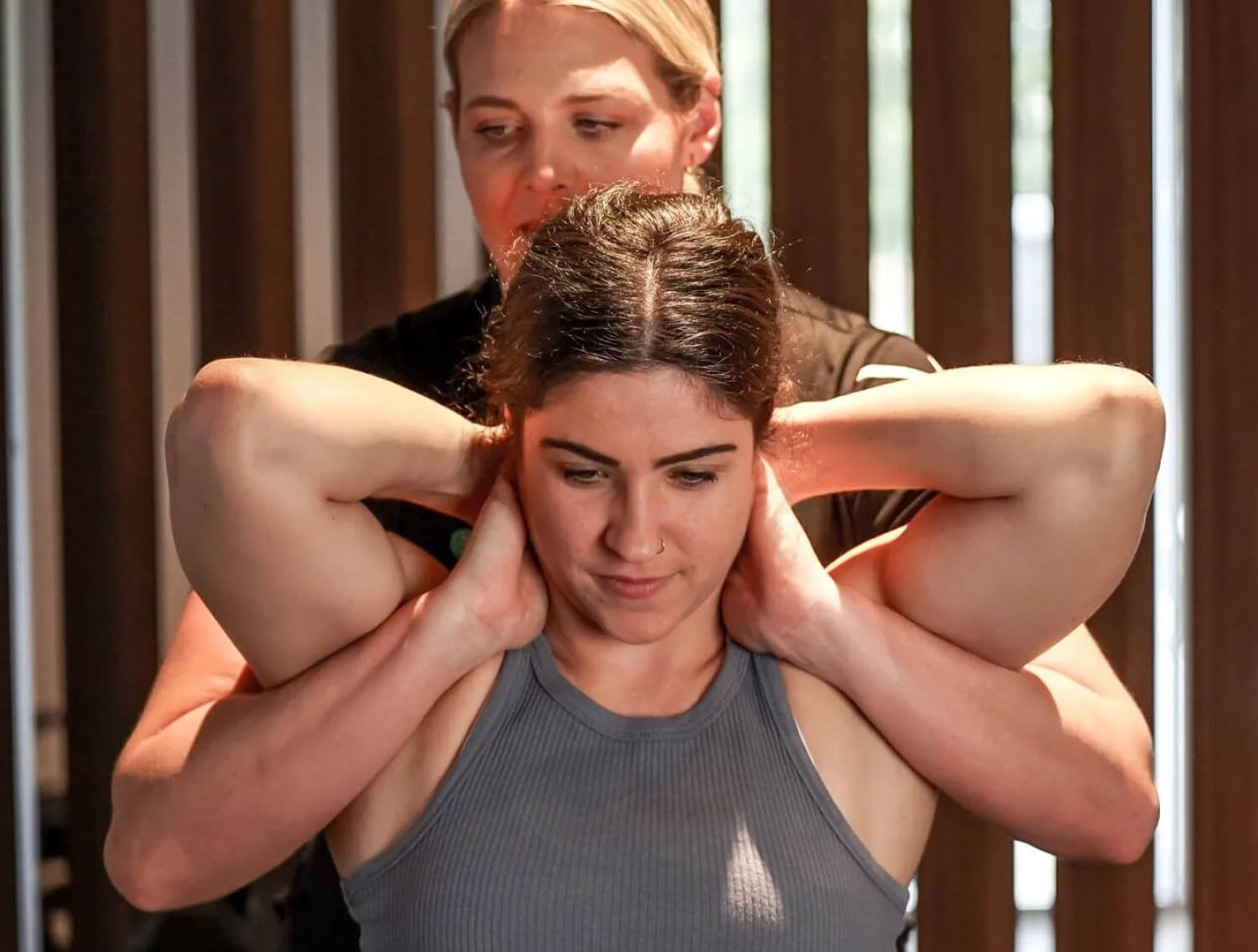
Immediate relief from your first session.
Your first appointment includes a thorough assessment followed by hands-on treatment, practical advice, and exercises where appropriate, so you can start managing your symptoms straight away.
-
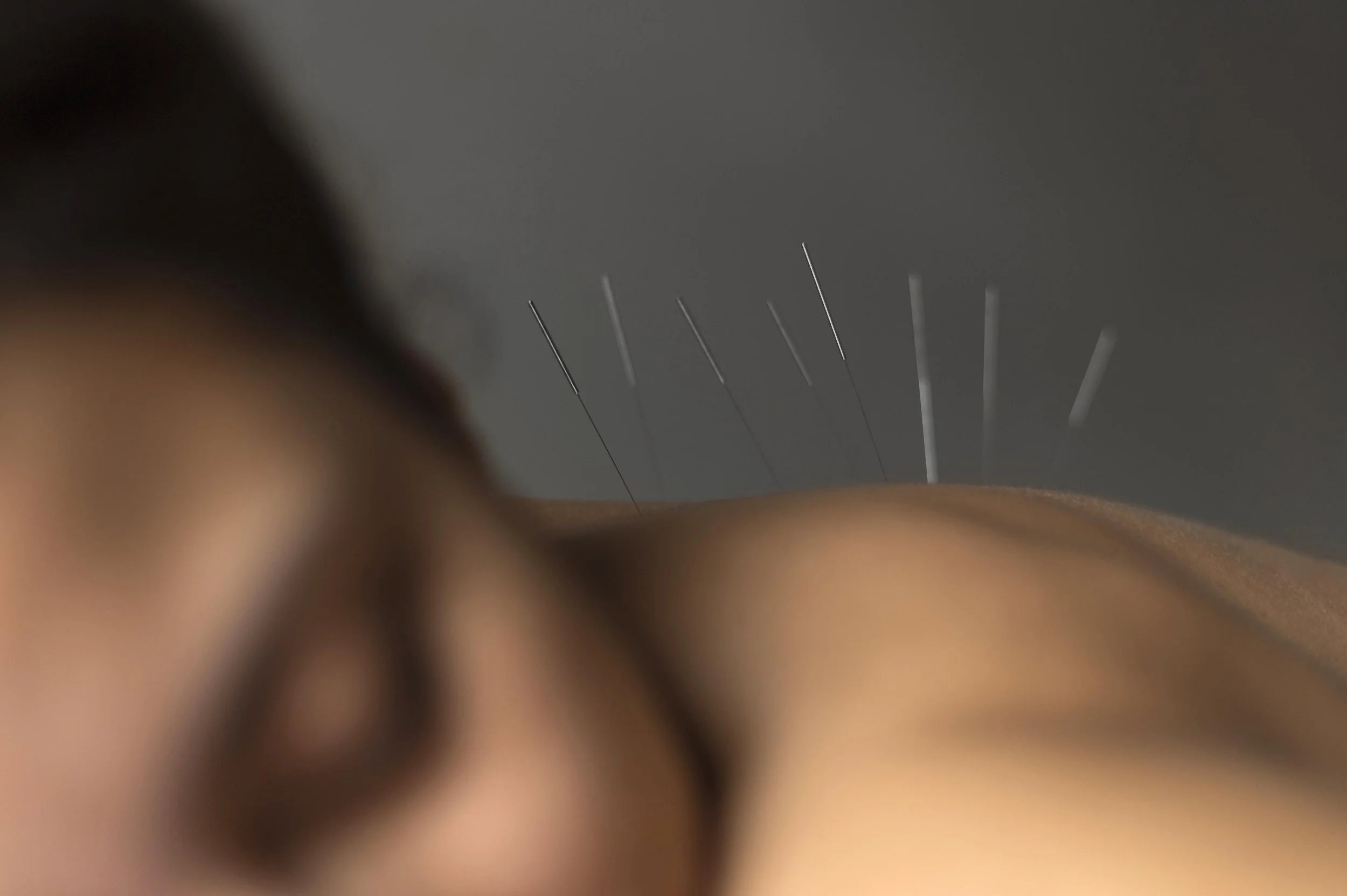
Physio, chiro, needling and more under one roof.
From pregnancy physiotherapy and hands-on therapy to exercise rehabilitation and personalised advice, we provide comprehensive care to help you move comfortably throughout your pregnancy.


Physiotherapy Pregnancy FAQ
-
Yes. Physiotherapy can help improve pelvic floor muscle function and support, which may reduce feelings of pressure and heaviness. It can also help prepare your body for labour and support recovery after birth.
-
In some cases, yes. Pelvic floor issues may contribute to ongoing discomfort during pregnancy and can make recovery after birth more challenging. Early management can help improve muscle function and symptom control.
-
Kegel exercises are gentle contractions and relaxations of the pelvic floor muscles, which support the bladder, bowel, and reproductive organs. They are commonly used to help improve pelvic floor strength and bladder control, particularly during and after pregnancy.
However, Kegels are just one part of pelvic floor rehabilitation for women, and many other important approaches may also be included, such as breathing techniques, strengthening exercises, relaxation strategies, movement education, and birth preparation.
-
Physiotherapy is safe throughout pregnancy when provided by a qualified practitioner.
Treatment is adapted to your stage of pregnancy and may include hands-on care, education, and exercise. You can begin treatment at any stage of pregnancy, including the first trimester.
No referral is required, although your physiotherapist can work alongside your GP or obstetrician if needed.
-
You can see a physiotherapist at any stage of pregnancy. Whether you're experiencing pelvic pain, back pain, sciatica, or simply want guidance on staying active, early treatment can help manage symptoms and support a more comfortable pregnancy.
-
Yes. Physiotherapy can help improve strength, mobility, breathing, and pelvic floor function to better prepare your body for labour and delivery. It can also provide practical strategies to help you move comfortably throughout pregnancy and support your postnatal recovery.
-
In most cases, yes. Staying active during pregnancy can help improve strength, reduce aches and pains, and support your overall wellbeing. A physiotherapist can recommend safe, pregnancy-appropriate exercises based on your stage of pregnancy, symptoms, and individual needs.