Lower Back Pain After Squats: Causes, Red Flags, and How to Fix It For Good
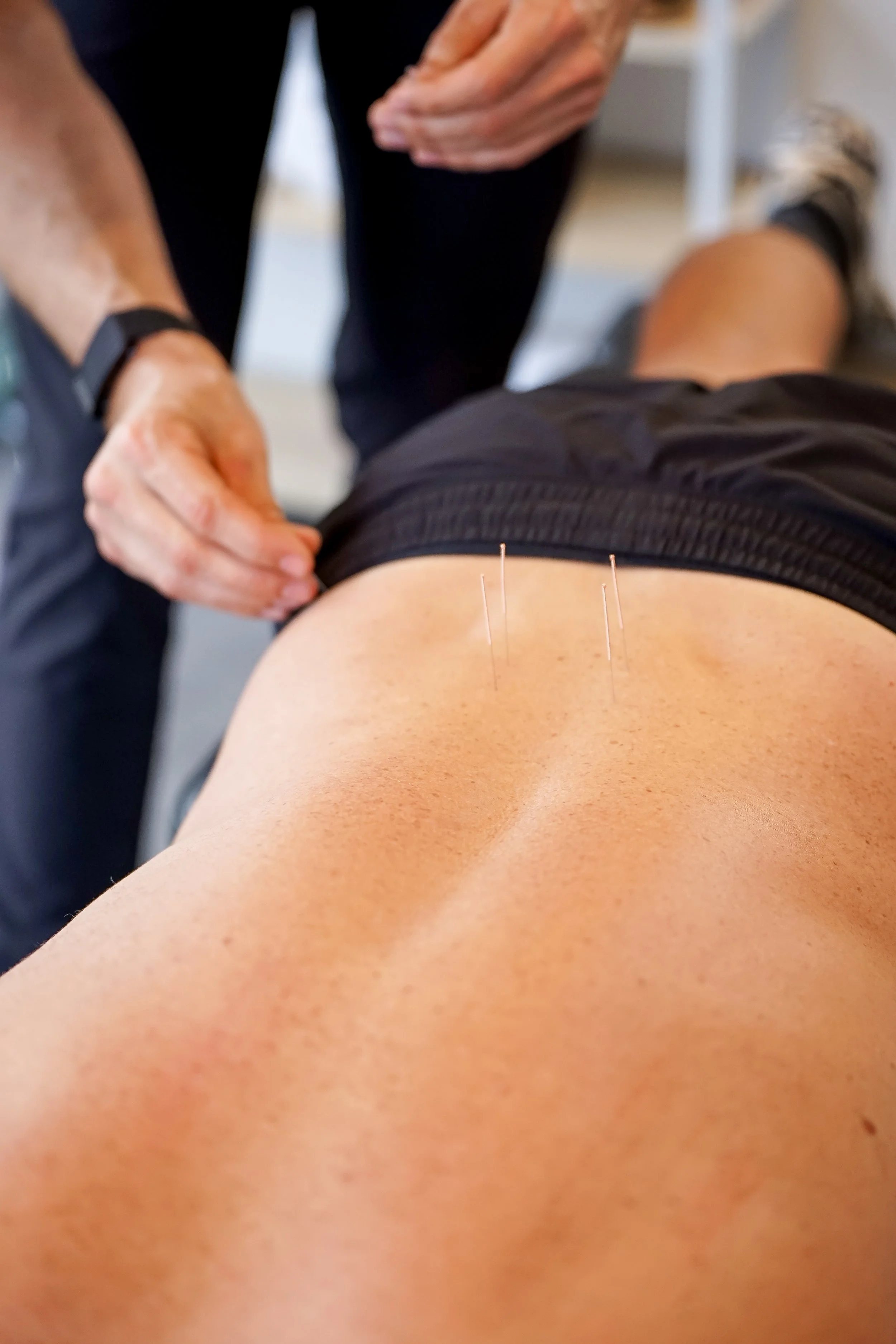
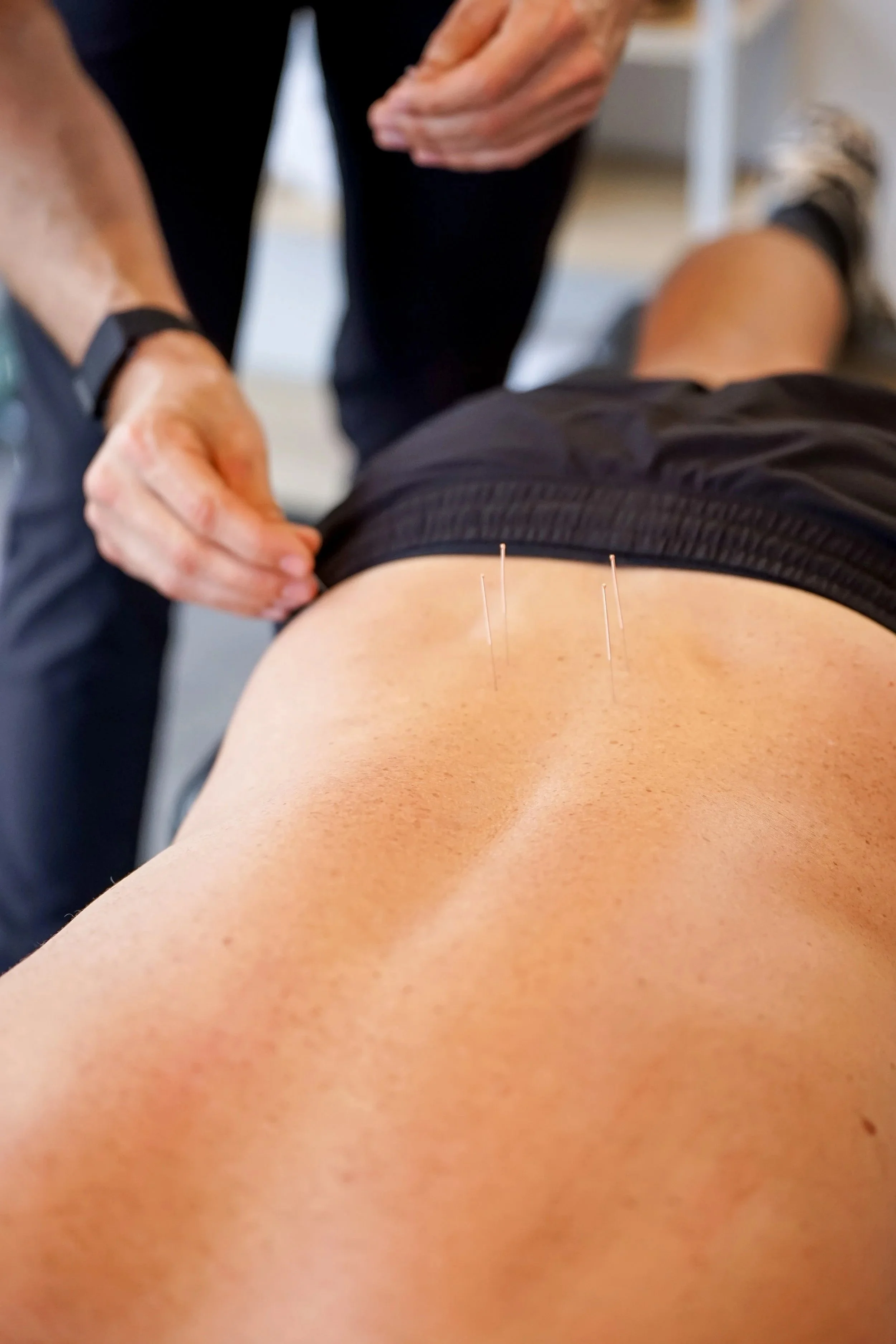
Dry needling for squat-related lower back pain at Elite HP in Bowen Hills, targeting the QL and lumbar muscles to relieve pain and restore movement.
If you've finished a heavy squat session and woken up the next day with a dull ache sitting deep in your lower back, you're far from alone. Research on sub-elite powerlifters found an overall injury prevalence of around 70%, with the lower back and pelvis responsible for a large share of those injuries in both men and women. It's one of the most common complaints we see in the clinic too, and it shows up in two very different types of people: mums returning to the gym to rebuild bone strength, and everyday lifters chasing progress on leg day.
The good news is that this kind of pain is rarely serious, and it almost always responds well to the right treatment. Here's what's actually going on, and what you can do about it.
Understanding Squat-Related Lower Back Pain
Who It Typically Affects
We see a new case of squat-related back pain roughly once a month in the clinic, and it's split fairly evenly between men and women. Most patients fall somewhere between 25 and 40 years old, and they tend to come from two groups: mothers who are getting back into strength training to focus on bone health, and regular gym-goers who are simply pushing themselves on squat day.
What the Pain Actually Feels Like
Patients typically describe a deep, dull ache in the lower back that shows up after a squat session or a heavy gym day. It's not usually a sharp or dramatic pain. It's more of a plateau: progress stalls, the squat starts to feel "off," and soreness lingers afterward. It can sit centrally or to one side, and there's no strong pattern either way.
One thing that surprises a lot of people is that it's often worse first thing in the morning. Overnight, spinal discs absorb fluid and become more hydrated, so they're literally at their largest when you wake up. As you move through the day, that fluid gradually compresses back out, which is why the stiffness tends to ease as the day goes on.
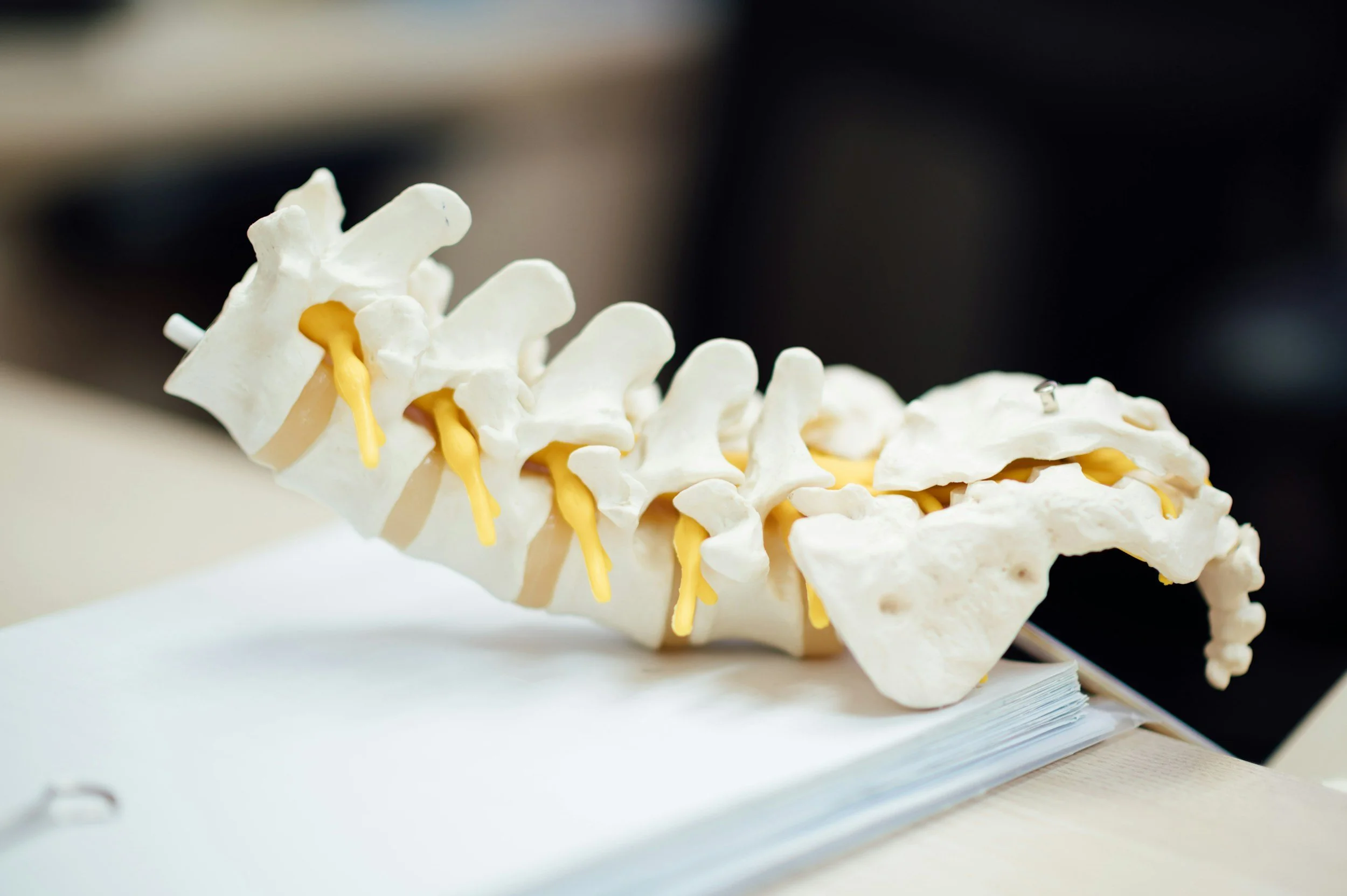
Flexion-based movements are usually the main aggravator, though some people find extension irritates it too, depending on how the injury presents. Long periods of sitting are another common trigger, for the same reason bending forward is.
What's Really Causing the Pain
Squat-related back pain almost always comes down to a combination of a few underlying issues, rather than one single cause.
Excessive Flexion Under Load
The biggest factor is excessive flexion through the lower back during the movement. When the core isn't activating properly, the spine loses its stability and the person ends up leaning too far forward into the squat.
Forward Bar Path and Underused Glutes
That forward lean shifts the bar path out over the toes instead of staying centered over the midfoot, which puts far more load through the quads and takes the glutes and posterior chain out of the equation. If a disc has already been irritated in the past, that forward-flexed position under load is exactly the kind of movement that aggravates it further.
Limited Hip and Ankle Mobility
Limited hip flexion mobility forces the lower back to compensate for range the hips can't provide. Limited ankle dorsiflexion has a similar knock-on effect, making it hard to move through a full squat without the knees or spine compensating for what the ankle can't do.
Training Load and Previous Injury
A sudden jump in training volume or load that the body isn't yet conditioned for is a common trigger, and so is a previous back injury. Past injuries can cause the deep stabilising muscles to switch off from disuse, something that's especially common in people who spend most of the day at a desk and then try to jump straight back into heavy lifting.
Conditions It's Often Mistaken For
Because the symptoms can be vague, squat-related back pain is frequently misdiagnosed as SI joint dysfunction, facet joint impingement, or a QL muscle spasm. Getting an accurate diagnosis early matters, because the right treatment plan depends entirely on identifying the actual source of the pain.
Red Flags: When to See a Doctor Right Away
Most cases of back pain after squatting are mechanical and manageable, but there are a few warning signs that mean it's time to get checked out properly rather than trying to manage it at home:
Changes in bowel or bladder function
Numbness, tingling, or weakness in the groin area
Severe pain at night, or night sweats
Symptoms that keep getting worse rather than settling
If any of these are present, seek medical attention and imaging promptly.
What to Do in the First 48 to 72 Hours
If your back is genuinely sore and you can't get in for treatment straight away, there are a few things that tend to help in the short term:
McKenzie extension exercises and side glides, both of which are easy to do at home and help take pressure off the disc
Stretching the QL, glutes, and hip flexors, which are almost always tight and contributing to the discomfort
Foam rolling and trigger ball work on the glutes, hips, and QL
At the same time, it's worth stopping heavy lifting and compound movements, especially squats, until you've been properly assessed. And don't wait around hoping it settles on its own. The sooner it's addressed, the better it tends to respond.
"I see this constantly in the clinic: often it's mums getting back into training to work on their bone health, and everyday gym-goers just pushing hard on leg day. My advice is always the same: come in as soon as you feel it. There's no benefit in waiting it out, the sooner we get on top of it, the simpler and faster the recovery."
—Creagh Court, Chiropractor & Director, Elite HP
How We Treat It: A Typical Recovery Timeline
The Initial Assessment
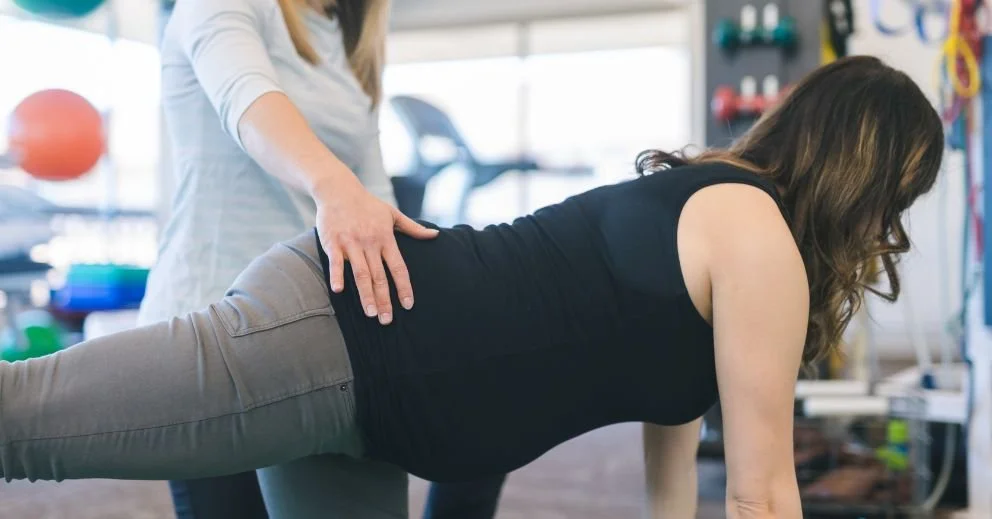
When someone comes in with this kind of pain, the first session is all about finding the root cause. That means orthopedic tests to check the disc, neural tension tests to rule out nerve involvement, muscle testing, and a full movement analysis of the squat pattern itself, including lumbo-pelvic control, glute activation, and core stability.
Hands-On Treatment
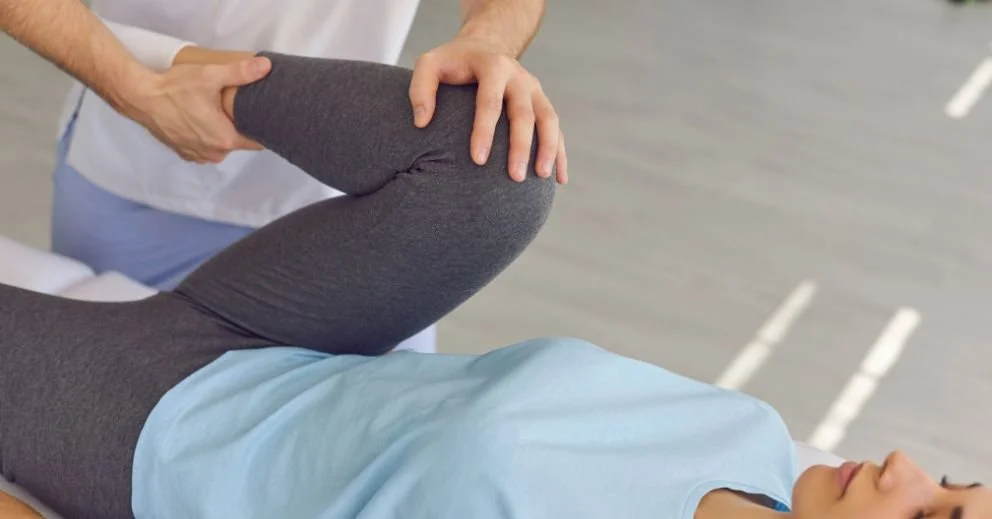
Hands-on treatment typically includes active release technique (ART) through the low back and hips, along with dry needling targeting the QL, lumbar extensors, glutes, and hip flexors. Chiropractic adjustment is usually held off for a couple of weeks so we can see how the body responds to the initial treatment first.
The Recovery Timeline
Most people are looking at an 8 to 12 week recovery. The general shape of that timeline looks like this:
Weeks 1 to 3: around two sessions a week, focused on soft tissue work and dry needling to deload the spine and bring inflammation down
Once pain decreases and range improves: the focus shifts to functional movement, retraining how the body moves and identifying what's actually happening in the gym that's contributing to the pain.
Staying in the Gym During Recovery
Training doesn't have to stop completely during this process. Programs are usually modified rather than paused, with alternative exercises given so progress isn't lost while the injury settles. We also work closely with personal trainers and GPs where needed to keep everyone on the same page, similar to how our team approaches most sports injury recovery plans.
Do You Need a Scan or Surgery?
In most cases, no. This kind of injury can be diagnosed clinically through orthopedic testing, muscle testing, and movement analysis, without needing imaging. Scans are generally only recommended if symptoms are progressive or not responding to conservative treatment. Surgery is rarely, if ever, necessary. Conservative care is consistently the best first option, in the same way it's the first line of treatment for other lifting-related back injuries, such as a low back strain from deadlifting.
Staying Pain Free For Good
The biggest reason people don't fully recover, or end up dealing with this again down the line, is going back to the exact same gym habits without any changes and not sticking to their rehab program.
Once symptoms settle, ongoing maintenance care helps keep everything functioning well and catches small issues before they become bigger ones. Pain returning, even a mild niggle, is usually the first warning sign that something needs attention again. Bracing or strapping isn't essential, but for some people it helps with body awareness and confidence while training, and that's a perfectly reasonable tool to use. Building squat-specific strength back up gradually, the way we cover in our approach to strength training for injury recovery, also goes a long way toward keeping it from coming back.
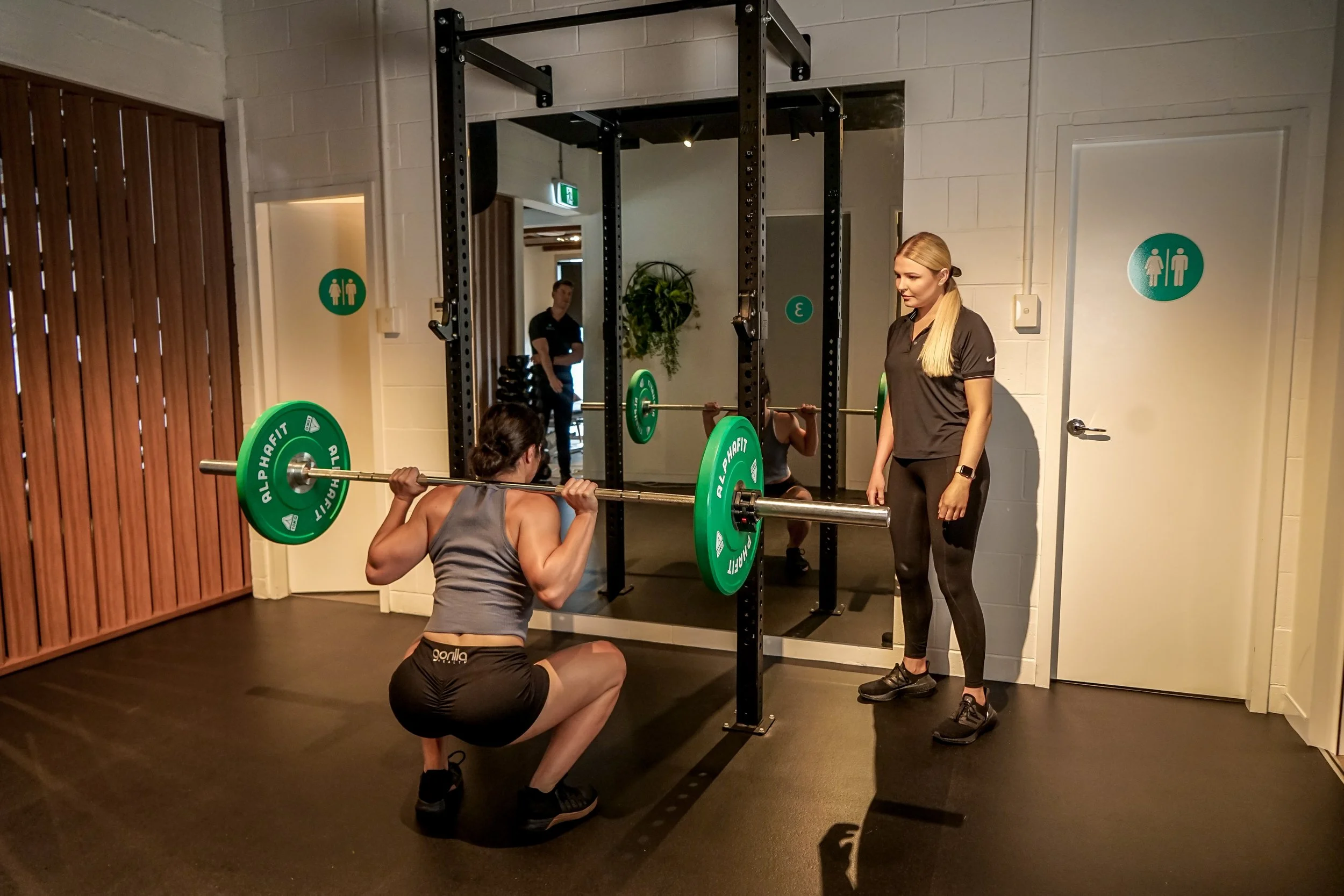
One of our practitioners guiding a client through a coached back squat in the Elite HP training space, part of a safe, graded return to lifting after injury.
Don't Let Back Pain Slow Down Your Squats
Back pain after squatting is common, it's rarely a sign of anything serious, and it responds well to the right approach. The key is not ignoring it, not powering through it, and getting it properly assessed so the actual cause, whether that's core stability, hip mobility, glute activation, or squat mechanics, gets addressed rather than just the symptom.
If you've read all of this and you're still not sure what's going on with your own back, the simplest next step is to come in and have a chat. Book an appointment with our team today.
Frequently asked questions
-
Usually not. Most cases can be diagnosed through orthopedic testing, muscle testing, and movement analysis in the clinic. Scans are typically only needed if symptoms are progressive or aren't responding to conservative treatment.
-
Most people are looking at around 8 to 12 weeks, starting with soft tissue work and dry needling to calm things down, then shifting into movement retraining once pain eases and range improves.
-
Often yes, in a modified form. Rather than stopping training altogether, your program is usually adjusted with alternative exercises so you don't lose progress while the injury settles.
-
McKenzie extension exercises and side glides are both easy to do at home, along with stretching the QL, glutes, and hip flexors. Avoid heavy lifting and compound movements like squats until you've been assessed.
-
As soon as you feel it. There's no benefit to waiting it out, and getting on top of it early generally means a faster, simpler recovery.
-
Sticking to your rehab program and any changes to your gym routine is the biggest factor. Ongoing maintenance care and gradually rebuilding squat-specific strength also help keep it from resurfacing.
Related reading